Tags
Here is a photo collage from our favorite place in the Isle of Skye: Glen Brittle. Click to make it bigger!
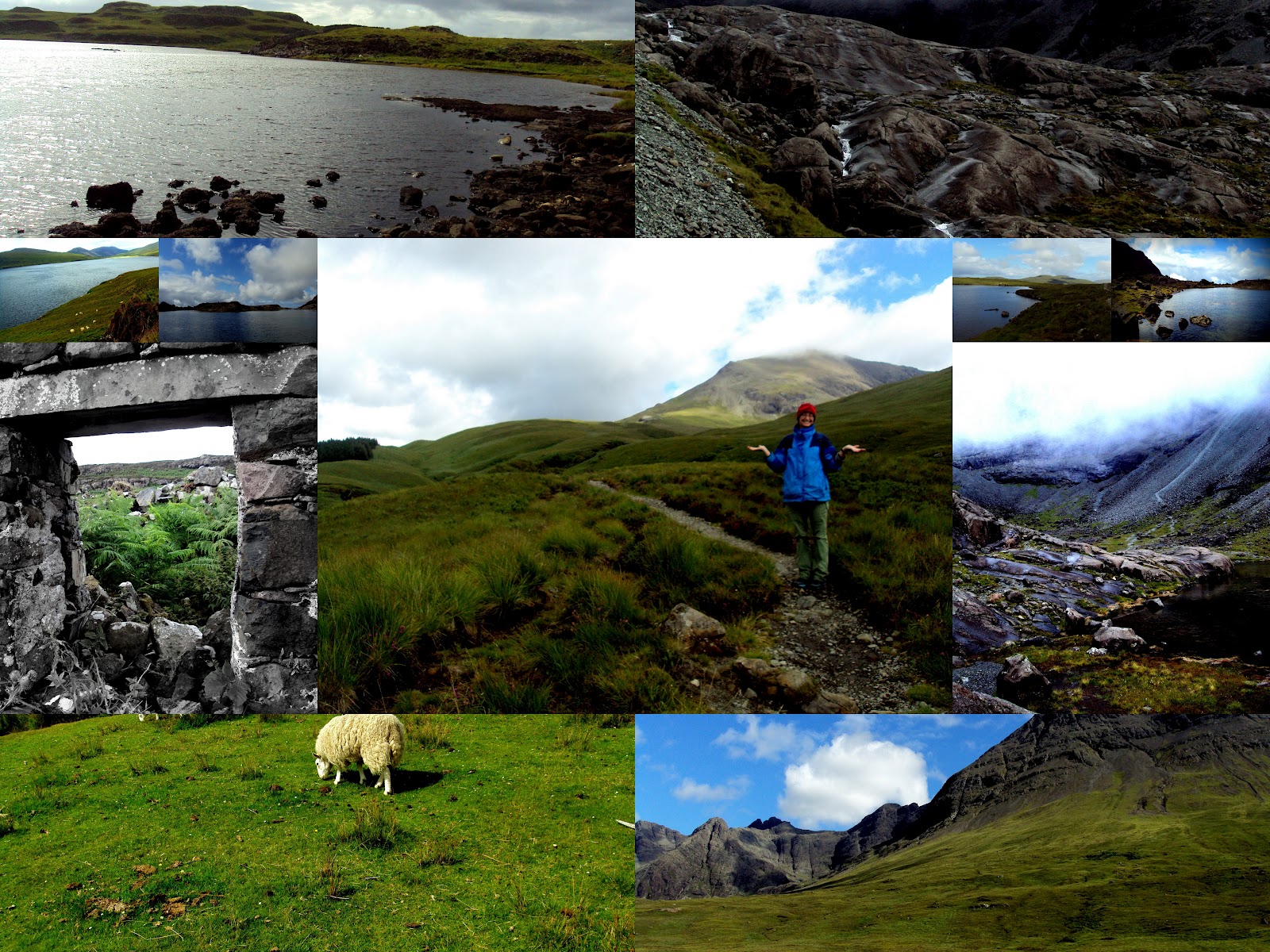 |
| So much GREEN! |

03 Friday Aug 2012
Posted in Photo of My Day
Tags
|
| So much GREEN! |
31 Tuesday Jul 2012
Posted in Photo of My Day
 |
| Rainbow over the square in Portree |
23 Monday Jul 2012
Posted in Destinations
 |
| From the sanctuary of Olympia |
This weekend was a breath of fresh air. After traveling alone for almost a week having only had 2 substantial conversations–one with an Aussie waiting for our bus from Delphi, the other with a Swiss kid on the way back from Mycenae–I got to meet up with a dear, dear friend of mine and make some new ones who were working on the Mt. Lykaion Excavation and Survey Project.
Our destination on Sunday was none other than Olympia, home to the ancient Olympic games. It was fitting to go to Olympia with them, because their site, located near Megalopolis, in Arcadia, has brought forth finds that suggest Mt. Lykaion–a possible “birthplace” of Zeus–to be the originator of games to Zeus that inspired the ancient Olympics.That the modern Olympics fall this year was an even cooler coincidence.
Here are the basics: the ancient Olympic games supposedly began in 776 BCE in Olympia in honor of Zeus, king of the gods. Just as in the modern Olympics, the ancient games took place every four years, and (male, Greek-speaking) athletes came from all over the country to participate.
Events that were held during these games:
Boxing: unlike today’s boxing matches, ancient boxing didn’t have weight classes, nor were there rules about beating an opponent while he was down. You win when you knock the guy out, or he quits on ya.
Chariot Racing: Races lasted for 9 miles (12 laps around the stadium), and were divided in category by number of horses you had (2 or 4).
Horse riding: This sport strikes me as having huge similarities with modern horse-racing. Because of the high cost of training, feeding and equipping a horse and his jockey, the owner was the one who got the laurel wreath and the glory. Their event was 6 laps around the arena, or a little more than 4 miles.
Pankration: A combo of wrestling and boxing. The only limits were NO gouging or biting in the eye/nose/mouth area. Yikes.
Pentathlon: Included discus, javelin, jumping, running & wrestling.
Running events: Just like now, there were a variety of running events, varying in length. One that we certainly don’t have anymore is the hoplite race, which required the participants to run in full hoplite armor, which weighed up to 60 lbs!
Wrestling: You had to down your opponent 3 times fairly. Oh, and don’t forget, no genital grabbing or biting.
Ancient Olympia, as a site, is expansive. Temples, altars, treasuries, stoas, training areas, housing areas, and the stadium were all part of the deal, so I’m going to share some highlights.
 |
| Ruins of colonnades from the gymnasion |
Gymnasion: Your instinct to think “gym” is right! The gymnasion was basically a structure where men could train for running, javelin and discus, so there was an open-air central courtyard to do all these things, with a colonnade running around it. Nearby was the Palaistra, another training building but with more roofing and with special rooms for body work like oiling up those muscle-y muscles or having baths, as well as training for wrestling, jumping and boxing.
 |
| Temple of Hera at Olympia |
The Temple of Hera: an archaic Doric temple, this place was supposedly where they housed the disk of the Sacred Truce, which was an agreement the country had made to allow their athletes safe passage the month before the Olympic games, meaning no one would attack another group at that time. It’s also the oldest temple in the sanctuary, dating to the end of the 7th century BCE. Cool fact: Right in front of this temple is the Altar of Hera, where the Olympic flame is lit for the modern Olympic games, and has been since 1936.
 |
| Council house area |
Council House Bouleyterion: where the athletes and judges took the sacred oath, and also the meeting place for the Olympic Committee.
The Temple of Zeus at Olympia, which I somehow forgot to photograph. Well done, me. Anyway, it’s a hugely important peripteral temple, in which once resided a gigantor chryselephantine (ivory & gold) sculpture of a seated Zeus that was 43 feet tall, and worked by the famous sculptor, Phidias! The temple was destroyed in the 6th century CE by earthquakes.
 |
| Base of the Zanes |
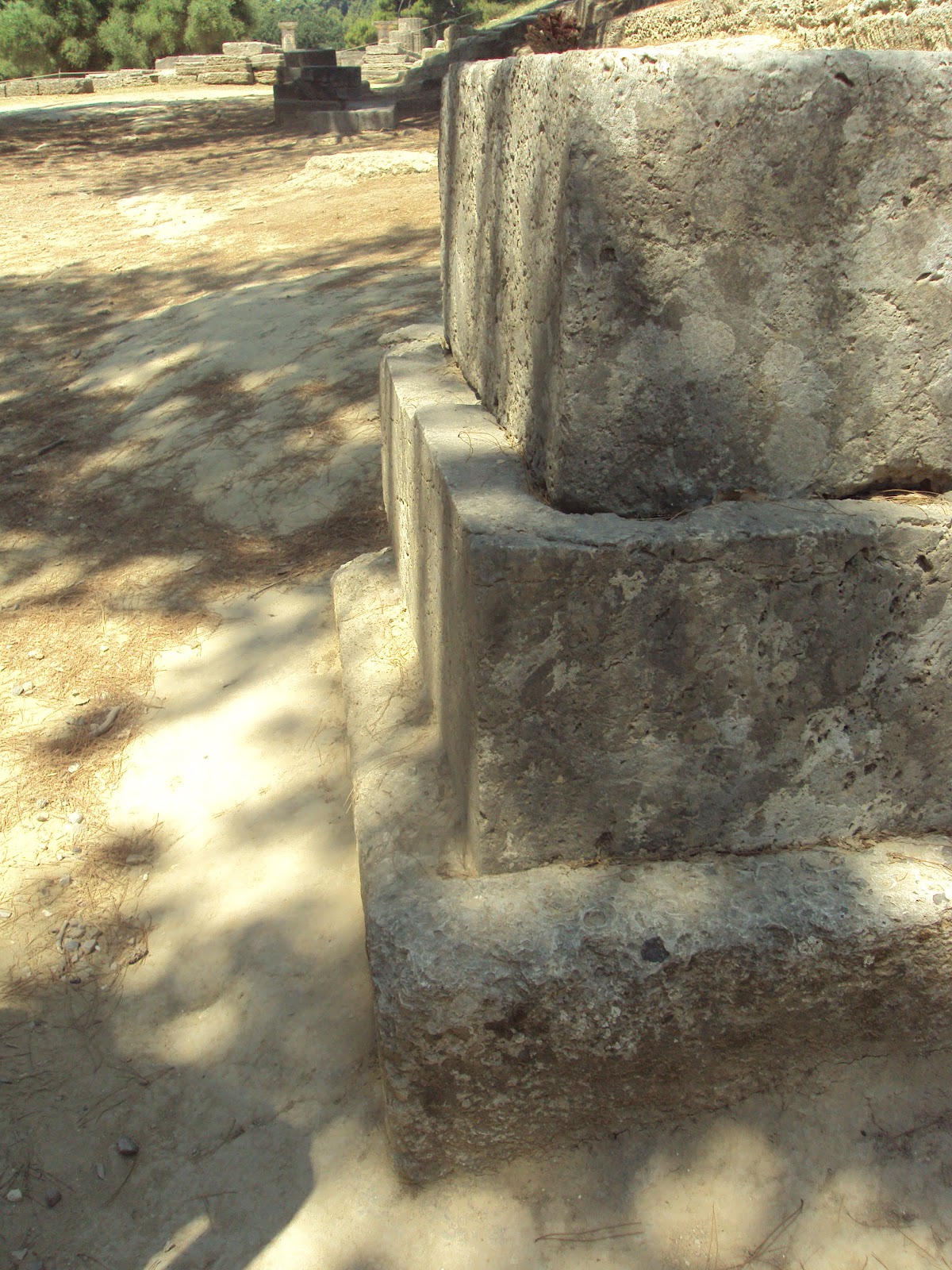
Bases of the Zanes: Probably my favorite things, second to the stadium. These were sculptures of Zeus created as tribute, but were a penalty to cheaters and a warning to athletes considering it! If you cheated in the ancient Olympic games, you kept your olive-leaf crown. BUT, you’d get fined, and with the sum of the fine, this lovely Zeus sculpture would go up, and at the base of the sculpture, the explanation of your cheating scheme would be written. Athletes passed these Zanes–plural for Zeus–on their way into the stadium. Nothing like some good, old-fashioned public humiliation to keep things ethical at the games, eh?
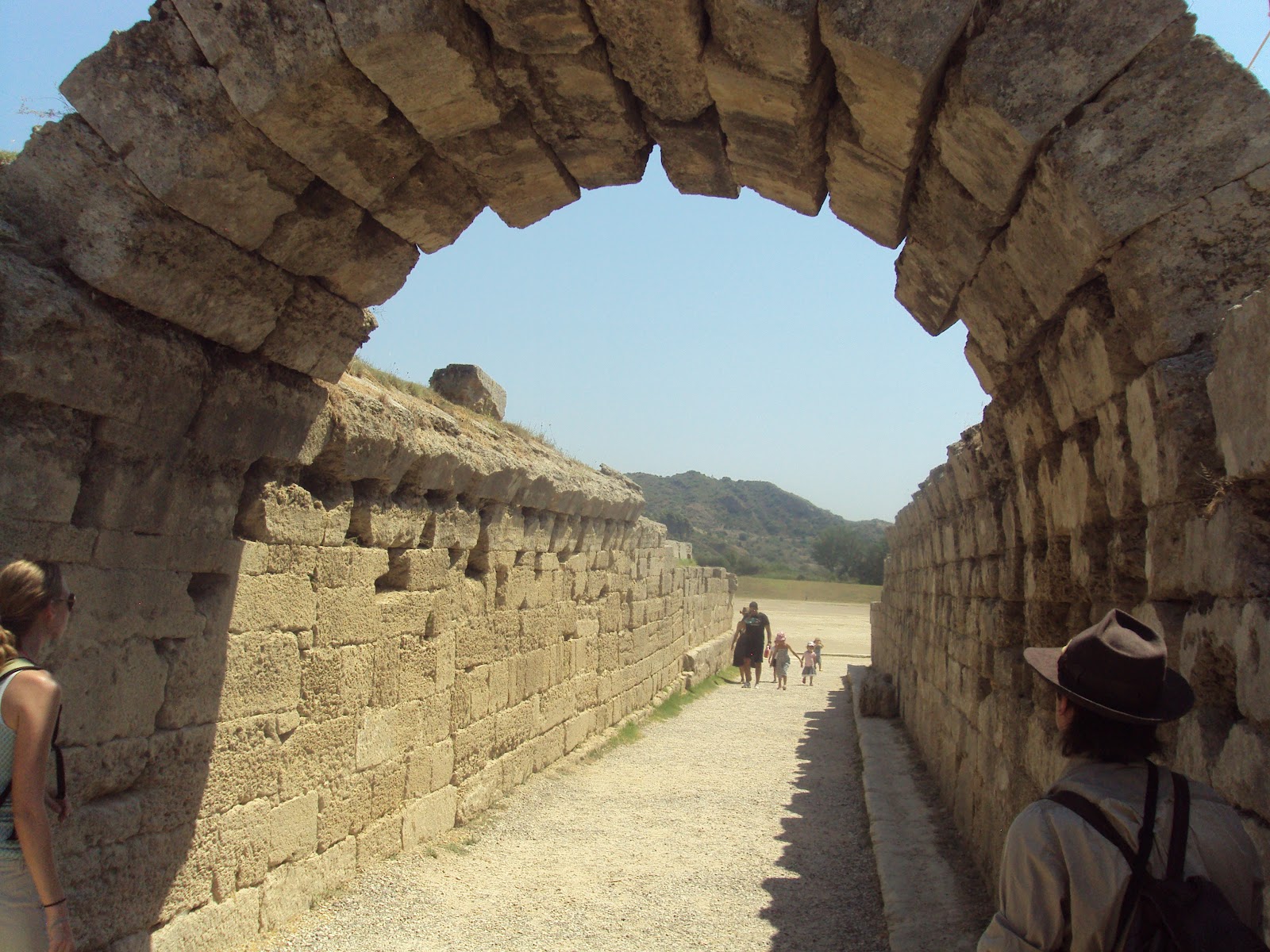 |
| The archway into the stadium. Every Olympic athlete would see this before heading in. |
 |
| Check it out, I’m right here! |
The Olympic Stadium: With room for about 45,000 people to sit on the grassy surroundings, the Olympic stadium provided special stone seats for the judges on one side, and a spot just for the priestess of Demester, across the track from the judges.
 |
| The starting blocks for the running races. |
The shortest foot race at the Olympics was the stadion, a sprint from one end of the stadium to the other, which was about 192 meters–almost double our classic modern 100 meter dash!
The proper starting position was with the left foot in the front groove of the starting block and the right behind. Barefoot. Here’s a demonstration of proper starting position:
 |
| Diana and me showing how the ancients started off! Except for the barefoot thing. We’re not that hardcore. |
Naturally, I had to run it. After all, when else would I get to compete where other Olympians had? So, Lauren humored me, and we ran. It was really hot, and we didn’t realize at first where the end of the run was because there was an area about 3/4 of the way down that seemed like the end, but then we saw the finish line and booked it. I won, but she probably let me.
 |
| Running a stadion in the Olympic stadium. And no, I didn’t push Lauren out of the way in the 2nd frame, I promise. |
The archaeological museum at the site is also very well curated. Be sure to check out the sweet bronzes, and the main center room is devoted to the marbles from the Temple of Zeus, which depict the labors of Hercules, the battle between the Lapiths & Centaurs, as well as the story of Pelops, who supposedly founded the original Olympic games.
20 Friday Jul 2012
Posted in Photo of My Day
17 Tuesday Jul 2012
Posted in Destinations, Photo of My Day
 |
| Delphi at dusk |
Delphi is one of the most famous places for ancient Greece, and was considered the “navel of the earth.” Its importance was derived from the great temple to Apollo, where the female Oracle would spout gibberish induced by inhaling vapors rising from the earth, which was then interpreted by priests for those seeking information. Famous folks like Lysander, Philip II of Macedon, Cicero, and the emperor Nero consulted the Oracle, as well as many others. Her prophecies–proof of her communion with Apollo–were often vague. Think “horoscope” but for bigger questions.
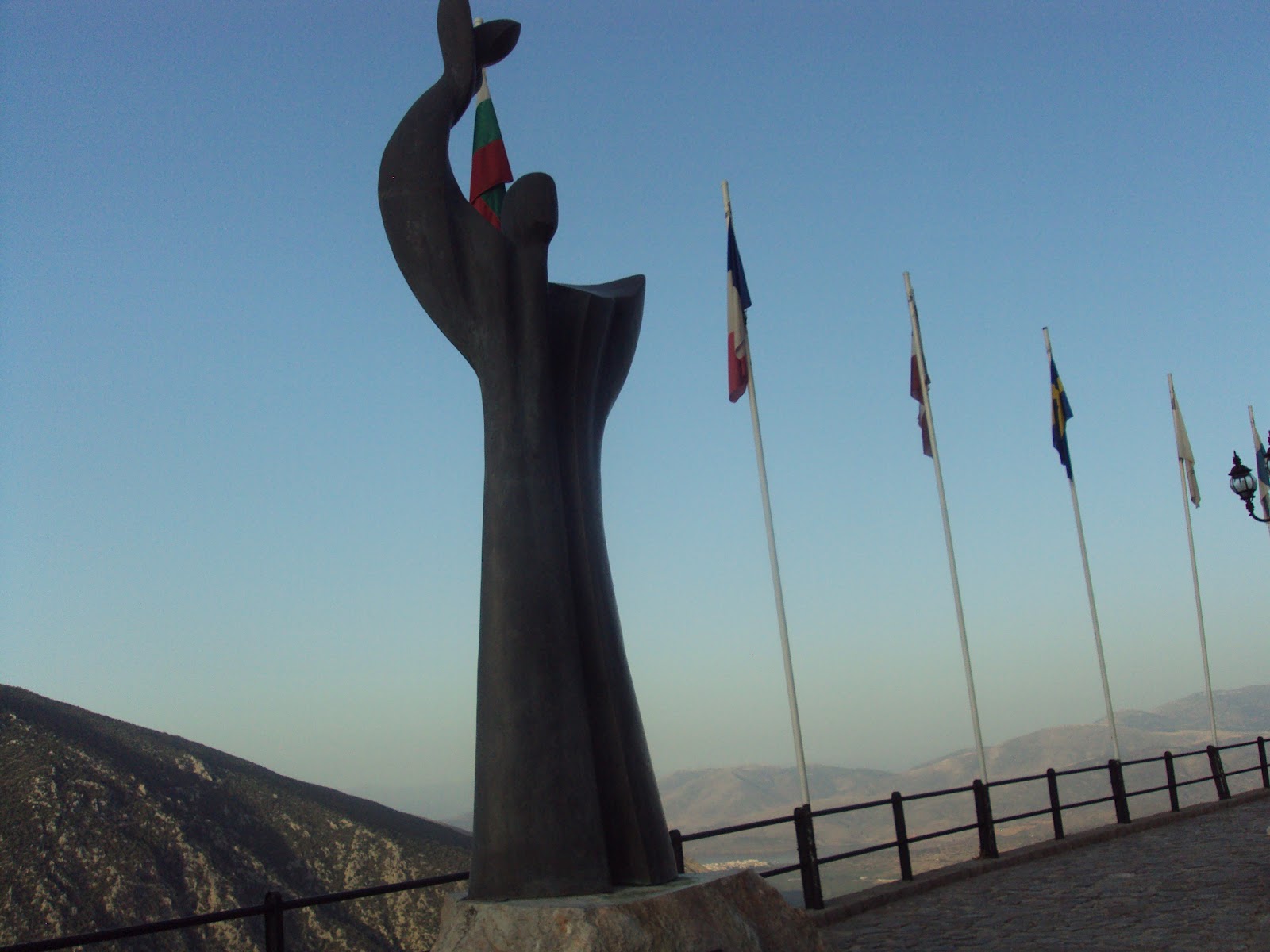 |
| Sculptural rendering of Prometheus |
After a very warm night (note to self: ALWAYS make sure Greek hotel rooms have AC before booking in summer), I rose at 6:15 to visit the ruins. The ruins of Delphi open at 7:30 a.m. and it’s worth buying the 9 euro combination ticket to the ruins and the museum, as the museum really does have a lot of spiffy stuff.
It’s also worth going early, especially if you’re there in the summer. Trust me. I’m from Arizona. Our summer temps often reach 115 F (46 C), and this summer in the Mediterranean it is FRIGGIN’ HOT. No joke. By the time I left the ruins around 8:45, I was really starting to sweat. Do yourself a favor, bring a big bottle of water, and go to the ruins early. If you have no interest in the museum, you can also visit the ruins late–they close at 6:30 or so on weekdays. The museum closes at 3 p.m. daily.
 |
| Path to the ruins |
Because I had arrived so early, I was the first one to the site and was shortly followed by a young couple from Belarus. For the first thirty minutes or so, it was just us and the site caretakers. One thing to keep in mind: the site does have markers and explanations, but not for everything. If you’re really interested in the explanations behind the ruins, be sure to grab a guide book or hire a tour guide for the full rundown of Delphi!
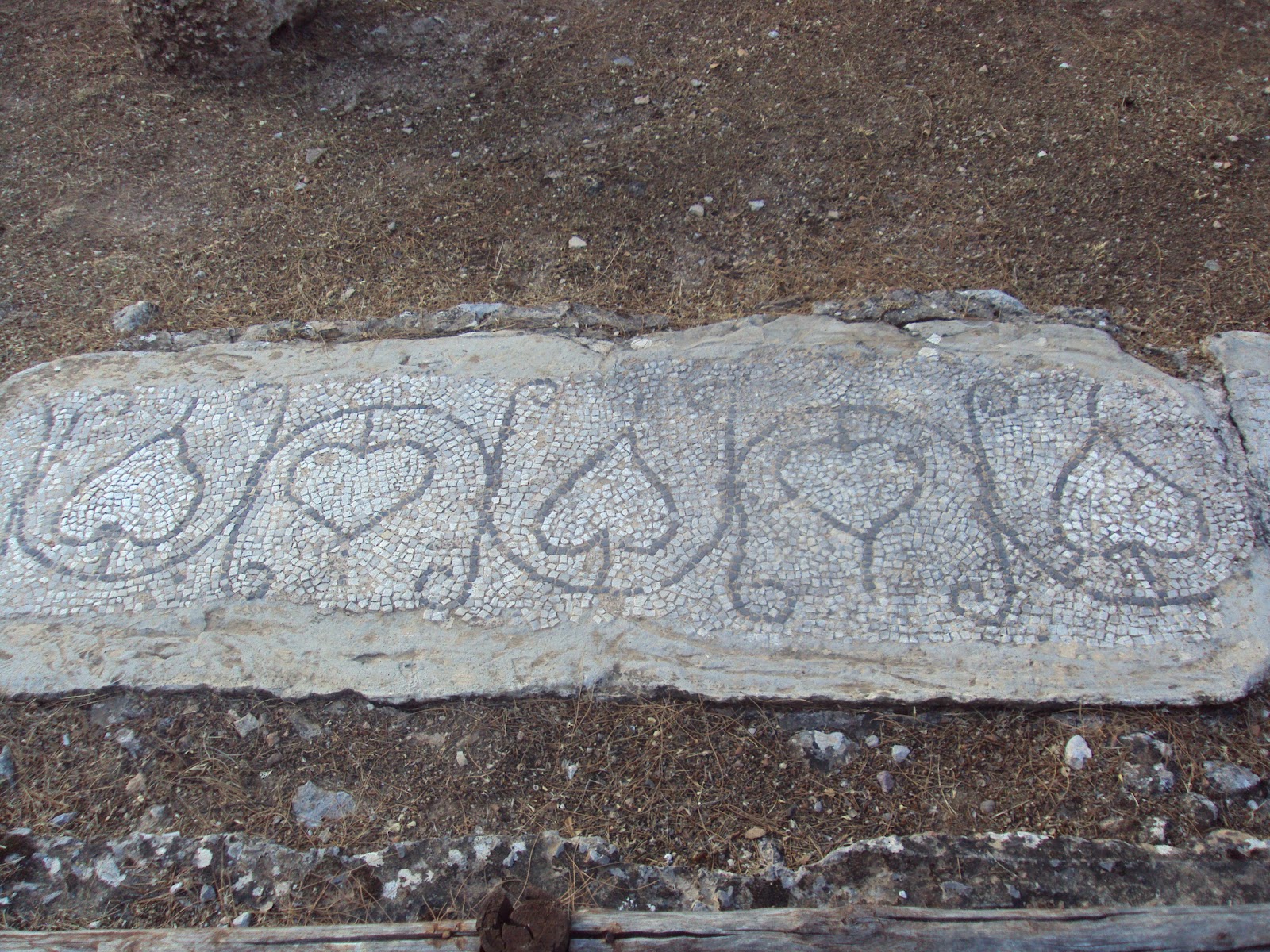 |
| Mosaic |
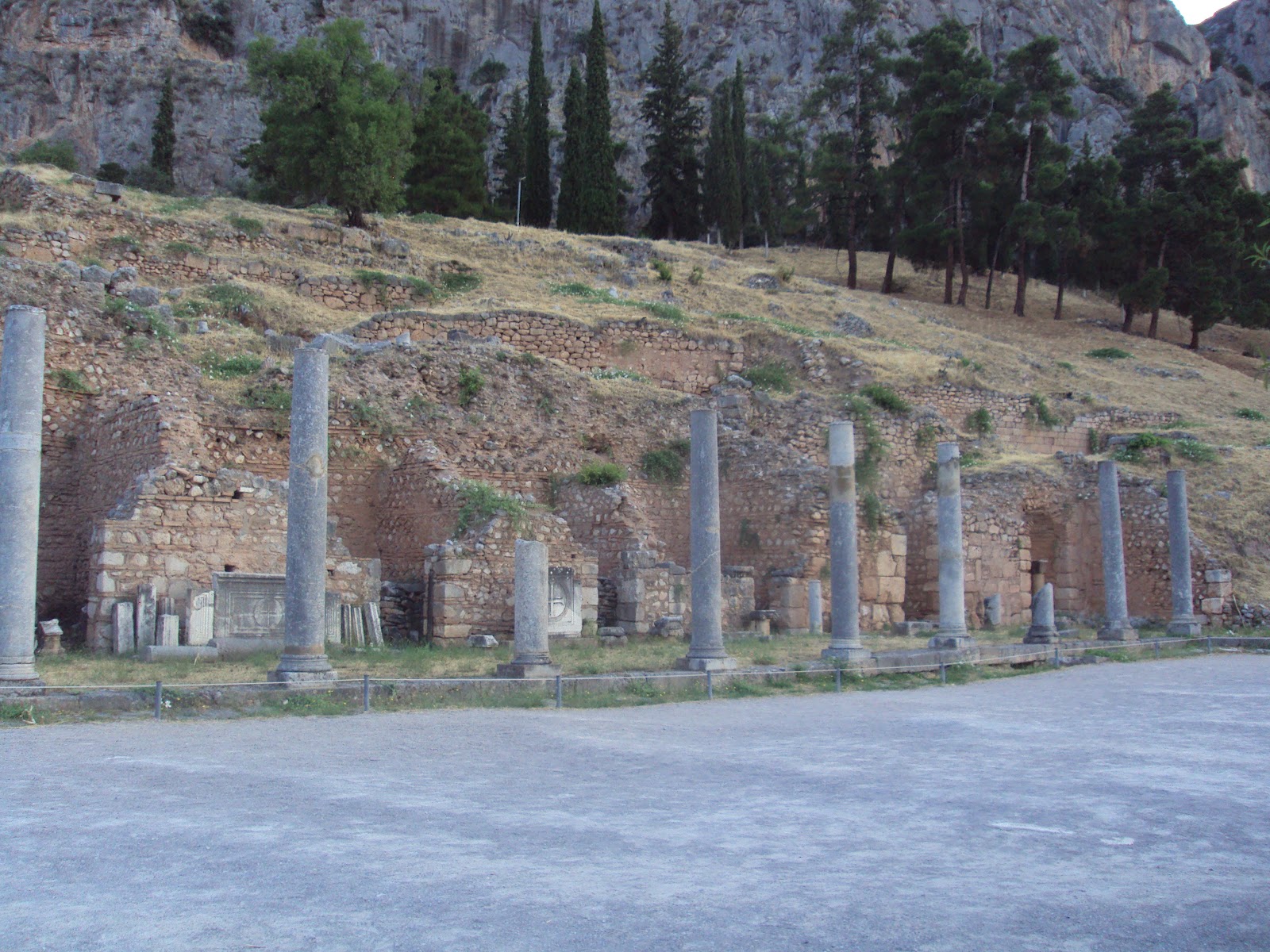
 |
| Can you tell I’m a bit tired? 😉 |
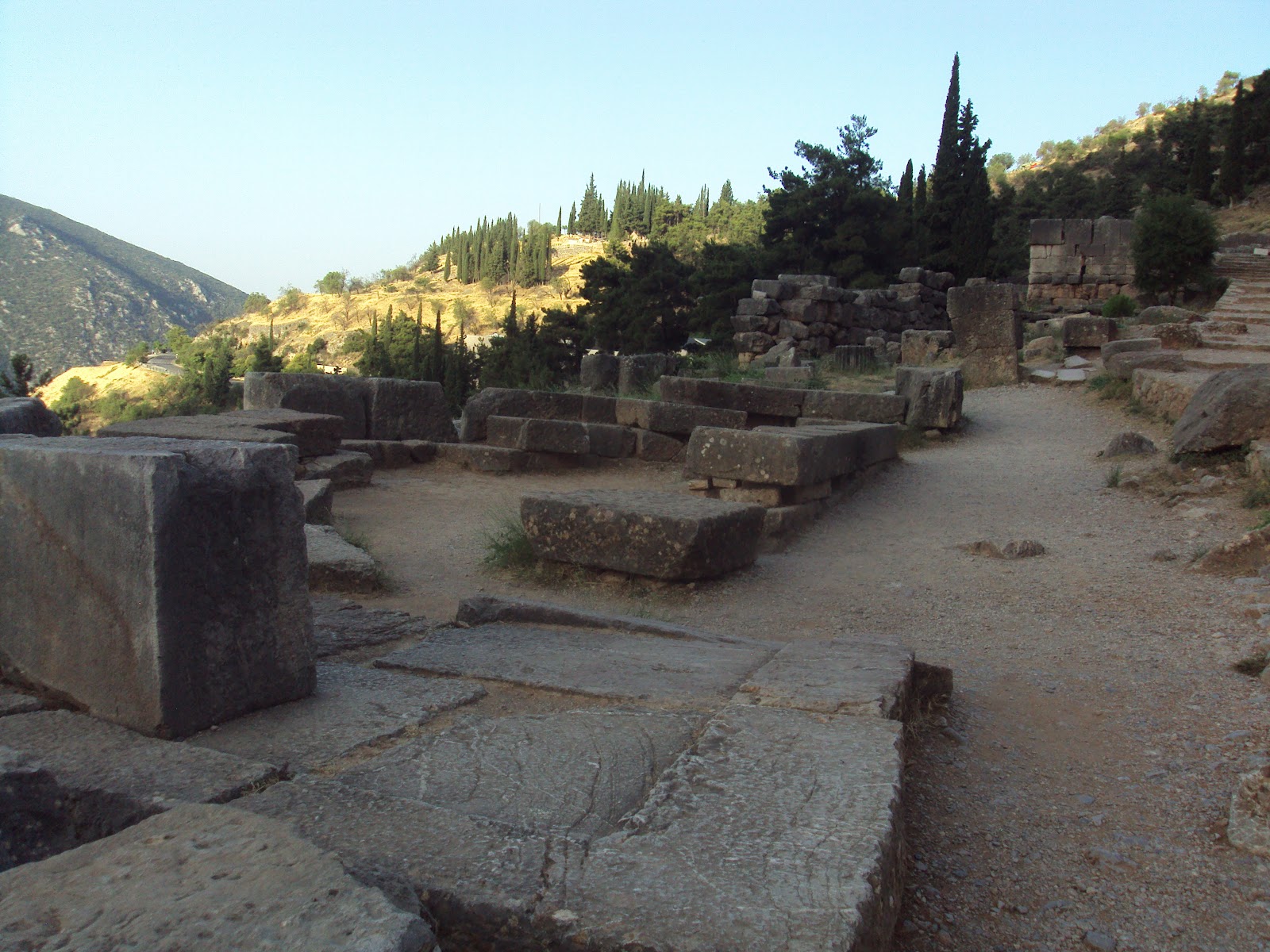 |
 |
| On this wall are inscribed prayers and offerings to Apollo |

According to myth, Zeus wanted to find out where the center of the world was. His very scientific process was to loose two eagles and see where they met and drop a stone to mark its place. That place was Delphi. The stone, the omphalos, supposedly looked conical but had not been touched by man. The omphalos was important for the Pythia’s process of prophesying. It would be covered with a net and had decorations on it. This one is a replica, and many replicas had been made throughout the centuries.
 |
| Nice wall. |
 |
| The treasury of Athens, which was dedicated by the people of Athens. |
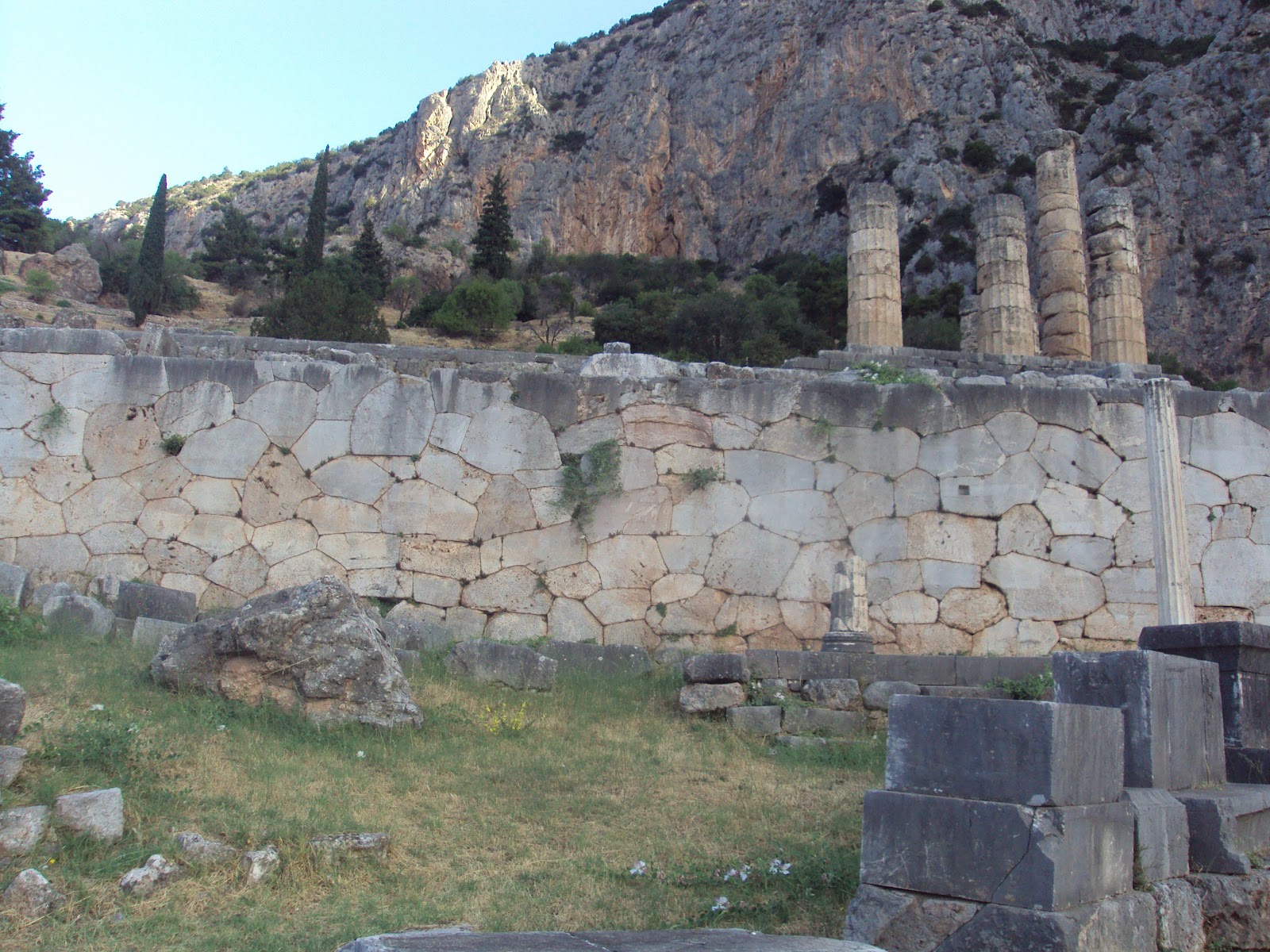 |
| This polygonal wall was pretty impressively situated, seeing as the stones fit together very well! A remarkable example of ancient building. |
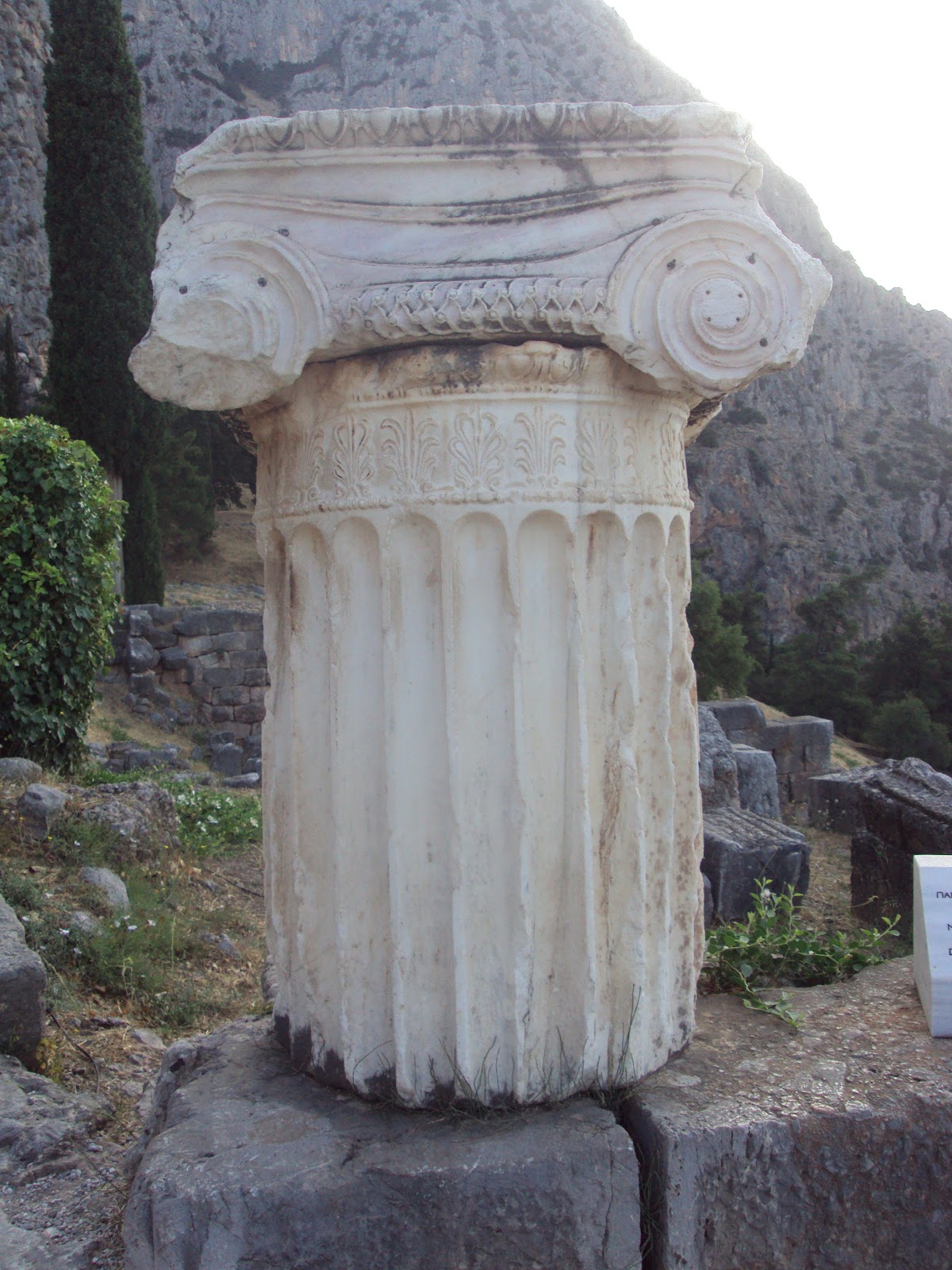
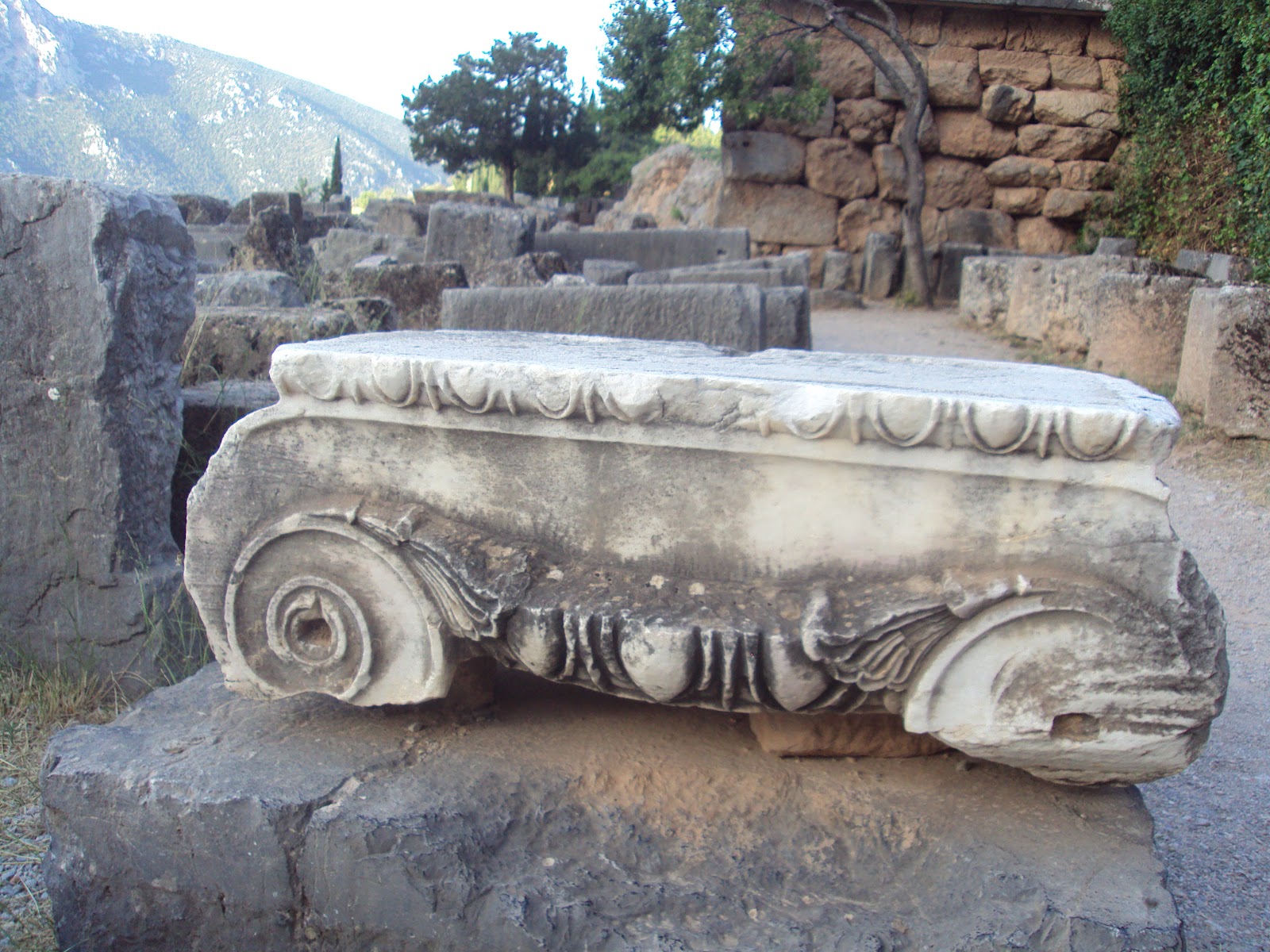
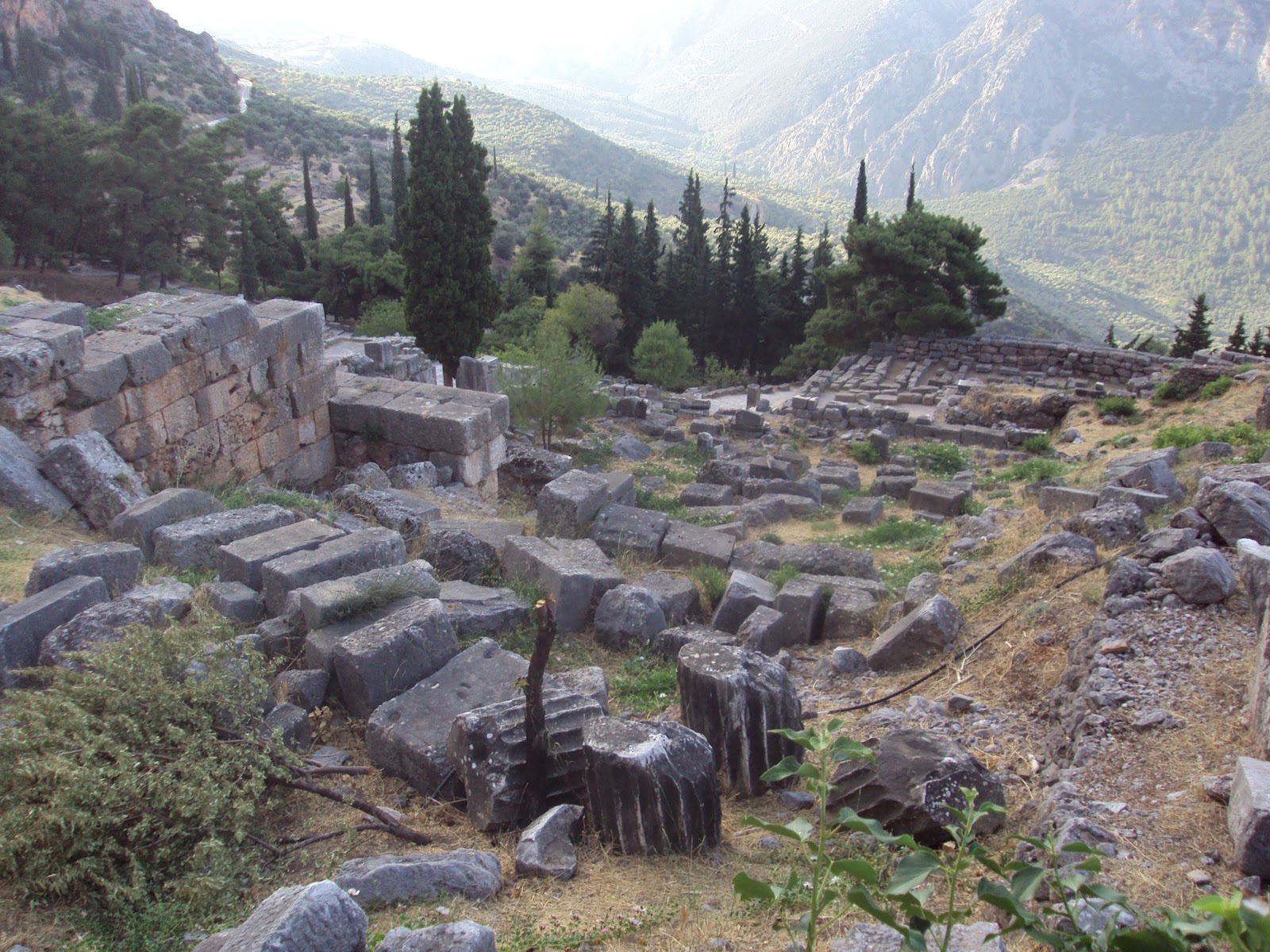 |
| View of the site from halfway up |
 |
| Behind me is the Temple of Apollo! |
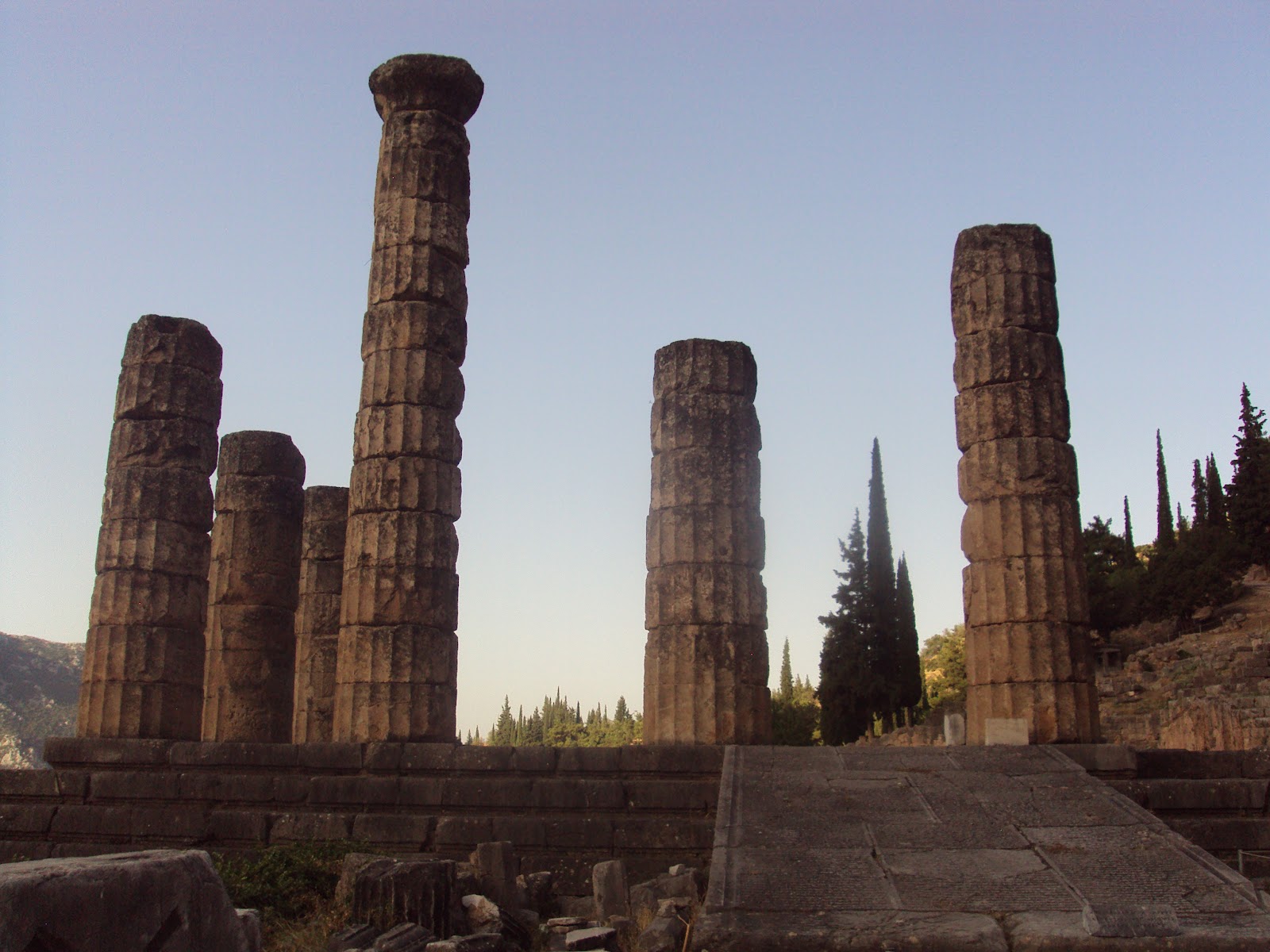 |
| The Temple of Apollo! |
 |
| artsy shot through the ruins |
 |
| Stadium where the Pythian Games were held. |
Other than being home to the oracle, Delphi was also home to the running of the Pythian Games, also known as the Delphic Games. These games were one of the four panhellenic games of Ancient Greece, and were held every four years. (Sound familiar? Well, the Panhellenic Games were the predecessors to the Olympic Games!) Events that took place at these games included chariot racing, wrestling, running, javelin throwing, and more. The Delphic Games differed because they included artistic events sacred to Apollo: dance, drama, recitation, singing, and music!
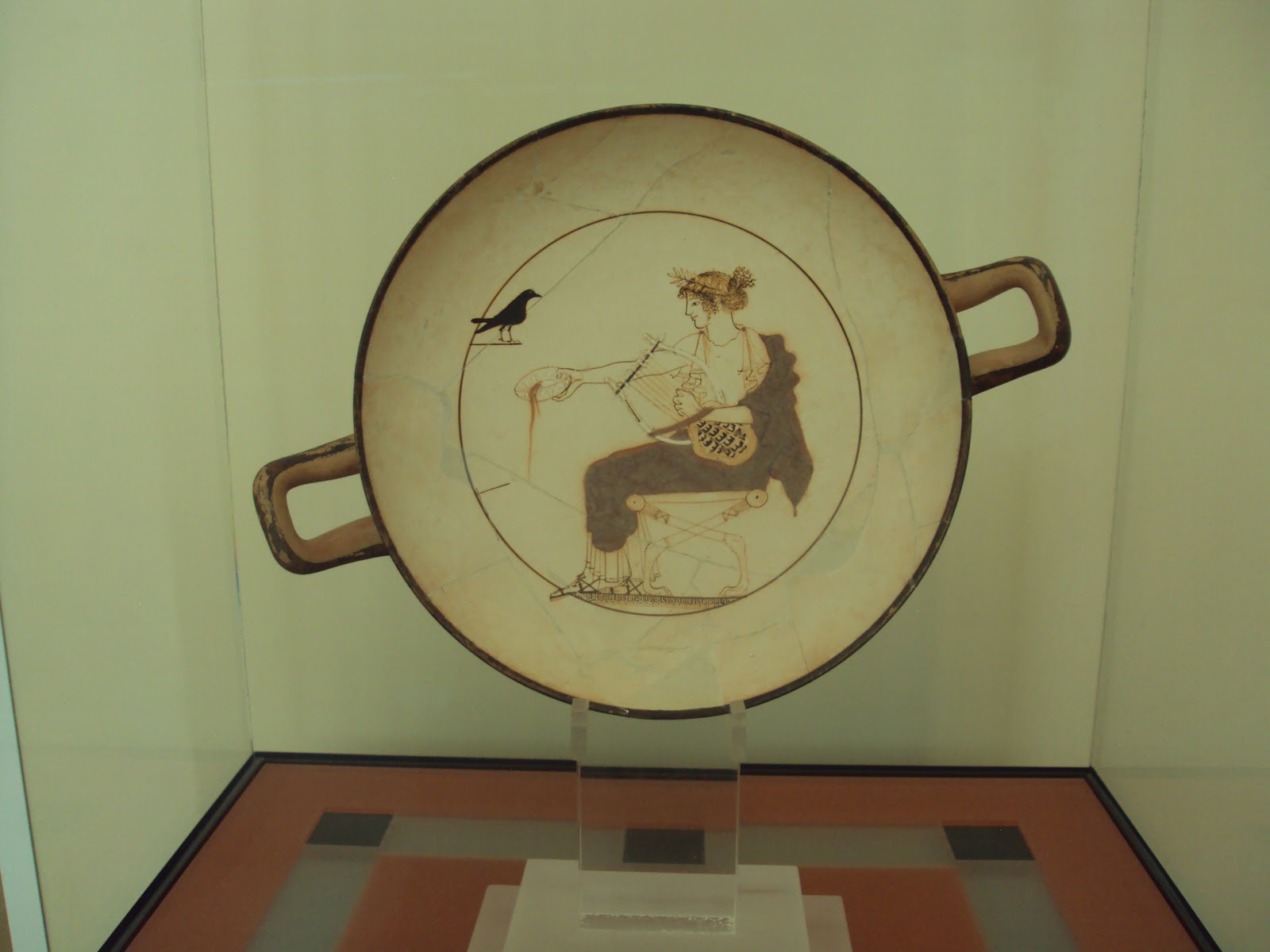
Some shots from the museum:
 |
| These twin kouroi are some of the best–and first–examples of large-scale sculpture from the 6th century BCE. Memories of high school AP Art History came rushing back to me as I saw these dudes! |

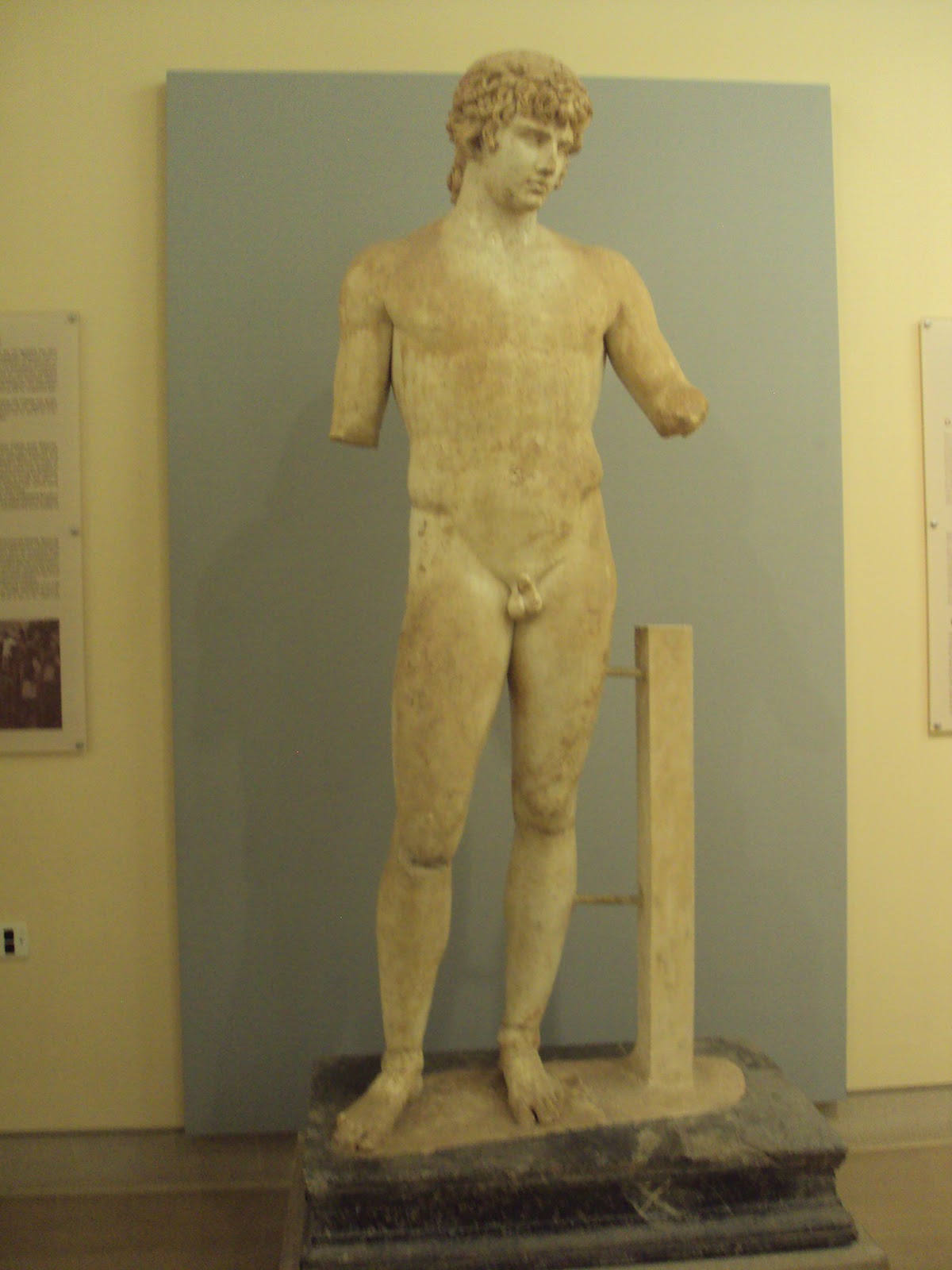 |
| Antinoos, who had been the companion of the Emperor Hadrian and had died tragically in the Nile and was later deified by the emperor. He was worshiped as a cult figure, mostly outside of Rome. |
Currently there is an exhibit touring the world called Myrtis: Face to Face With the Past. Basically, in the 1990’s, excavations unearthed remains from those in Athens who died from typhoid fever. One skull was particularly well preserved, so a professor from the University of Athens decided to reconstruct her face. The goal in touring this exhibit is, in part, to remind the world–especially the UN–of its goal to end poverty by 2015. “Myrtis,” as she is called, had died in the 5th century from the illness that killed about a third of Athens, the treatment for which at the time was unknown. Today, though, the World Health Organization estimates that 9 million children die a year from preventable and treatable diseases.
 |
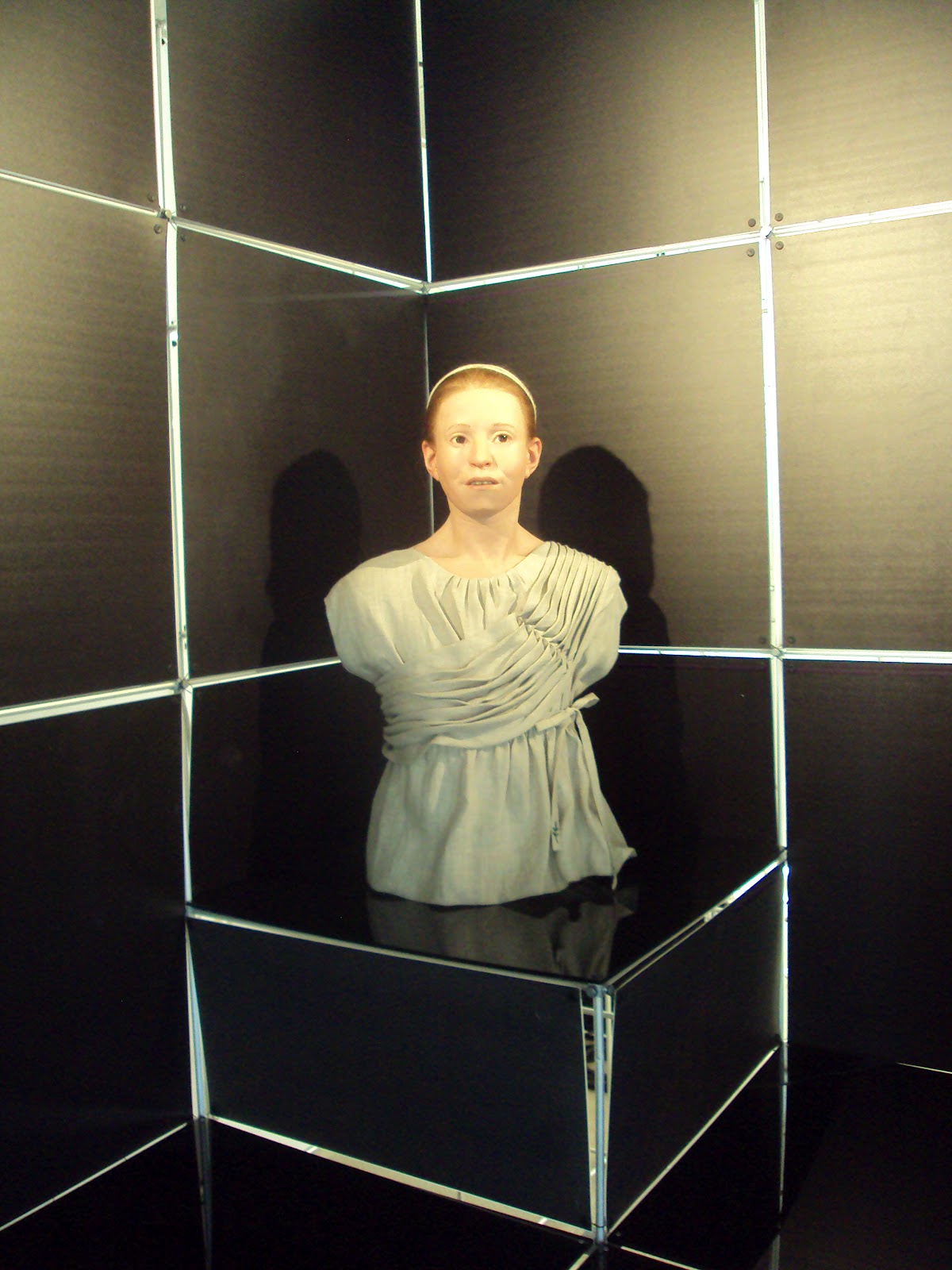 |
| This is the closest rendering to what young Myrtis would have looked like at her death. Scientists took into consideration age, historical diet and other factors to correctly estimate the amount of muscle to add to her facial structure. Coloring was based on her assumed heritage. |
I enjoyed my early morning trip to the site, and the museum was curated very well. Obviously there were many other artifacts other than the ones posted, but these were what caught my eye the most. I also really did enjoy the Myrtis exhibit, as it explained not only how they recreated her, but also some essentials about archaeology that are accessible to the general public, including kids. Knowledge is power, people!
Ever been to Delphi? Do you have any tips to share?
12 Thursday Jul 2012
Posted in Photo of My Day
Tags
10 Tuesday Jul 2012
Posted in Destinations
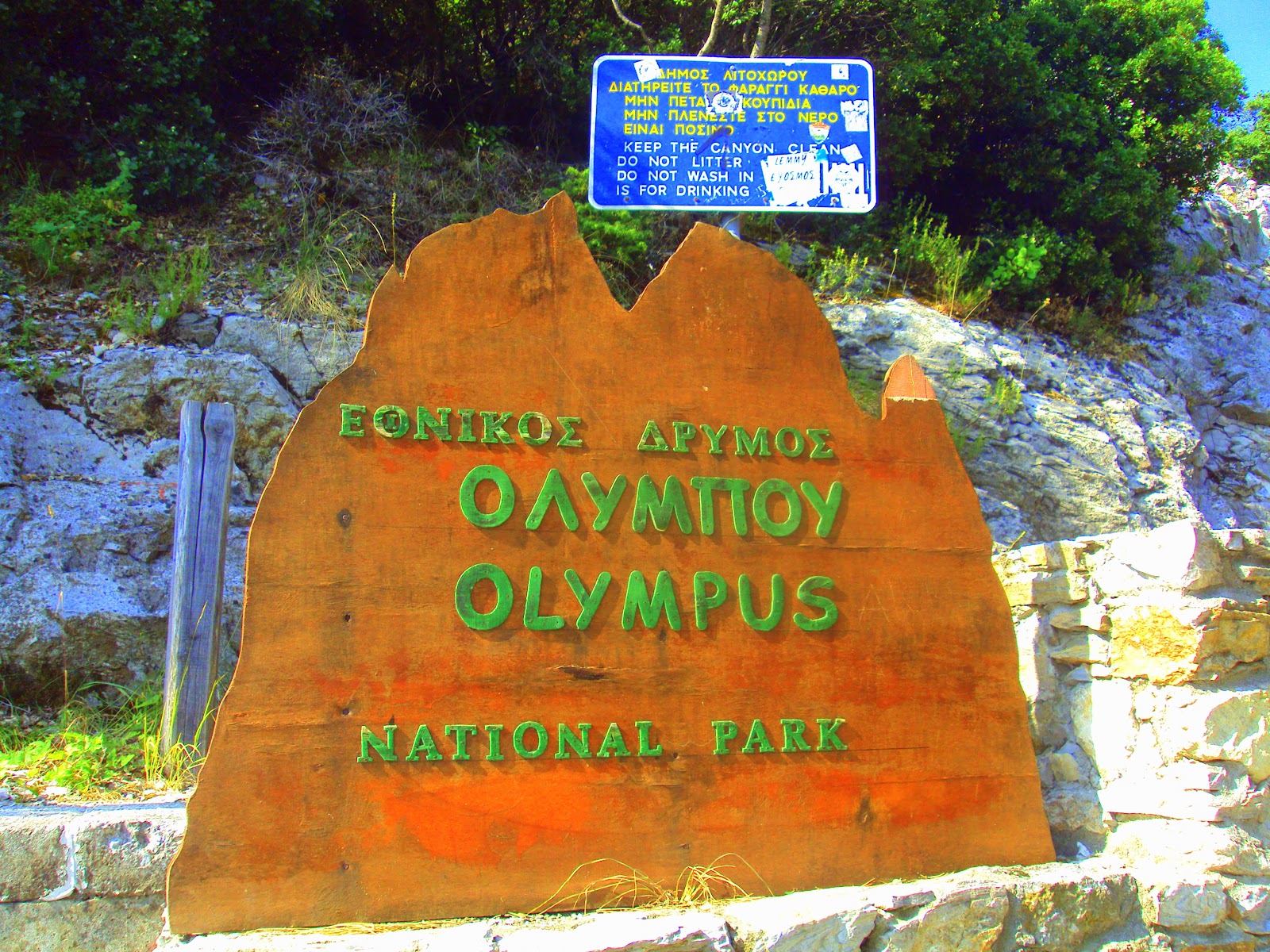 |
| The entry to the park! |
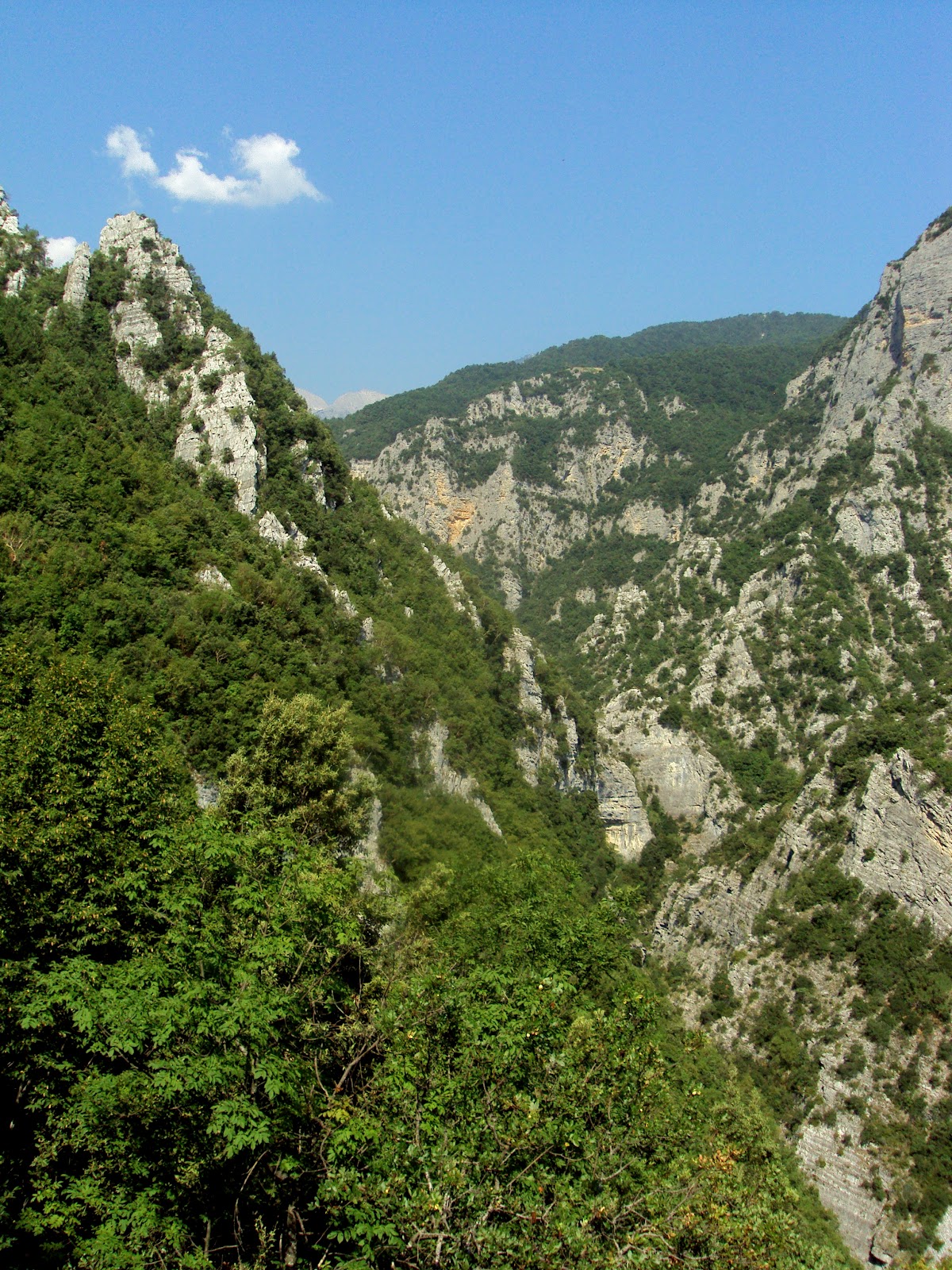 |
| One of the first big views |
 |
| Sweet rocks |
 |
| Another pretty stunning view |
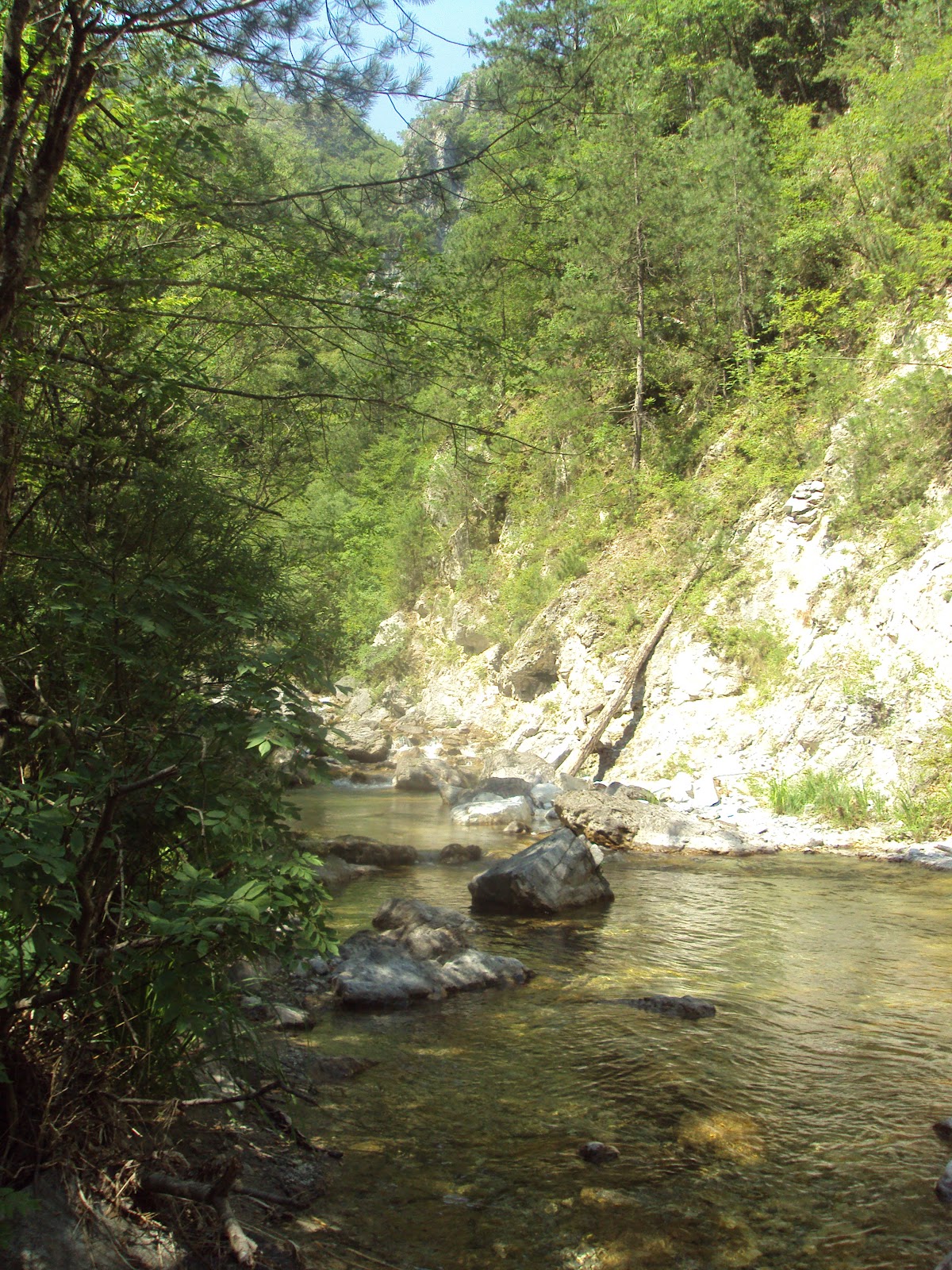 |
| The waters of Olympus |
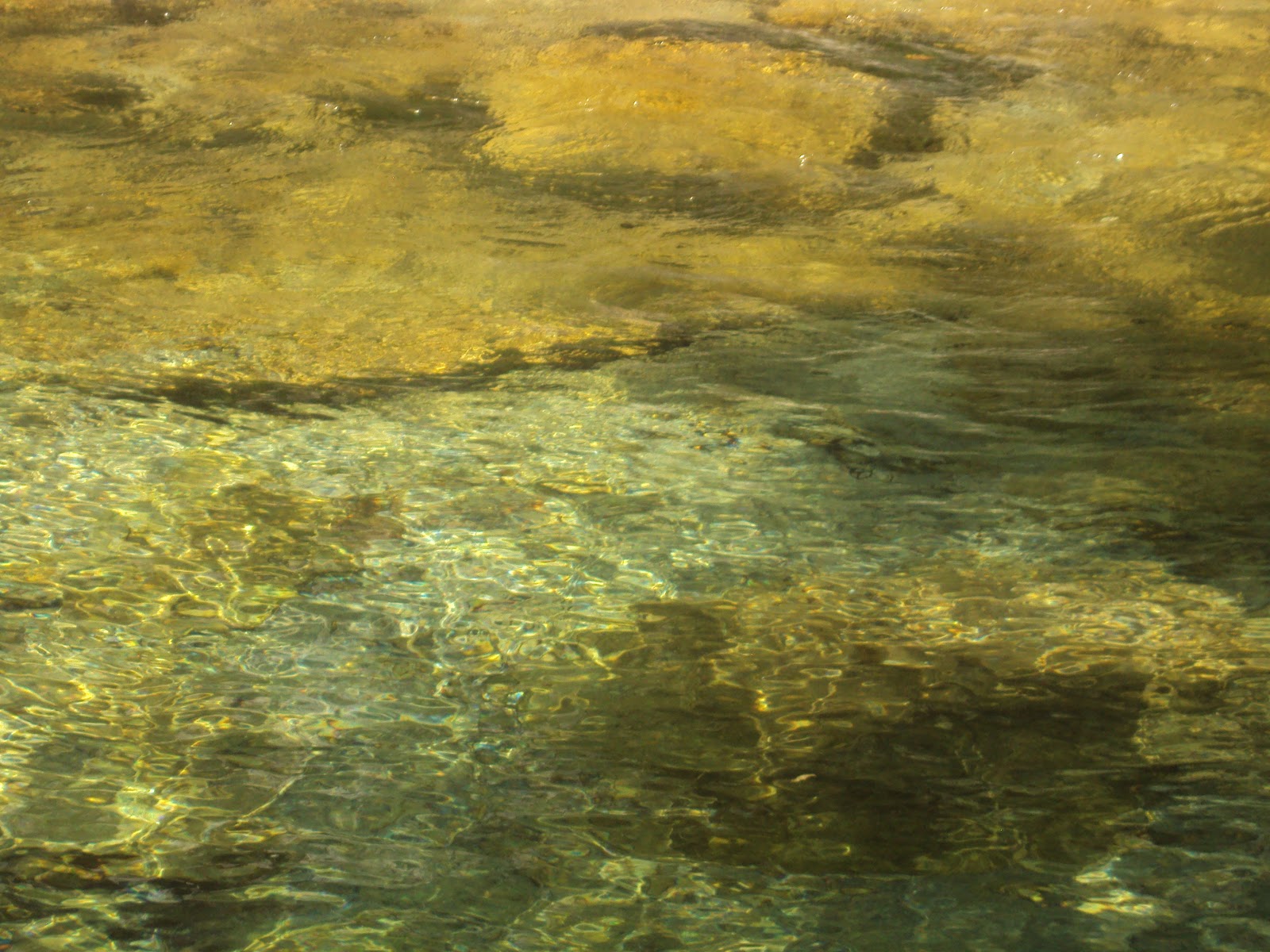 |
| See how clear it is! Potable, clear mountain spring water. |
 |
| Obviously I was a little skeptical about the potable part, despite numerous locals all telling us it was the exact water we drank from the tap in the town. I’m looking into the bottle here to make sure I can’t see any germs (as if I’d be able to, anyway!) |
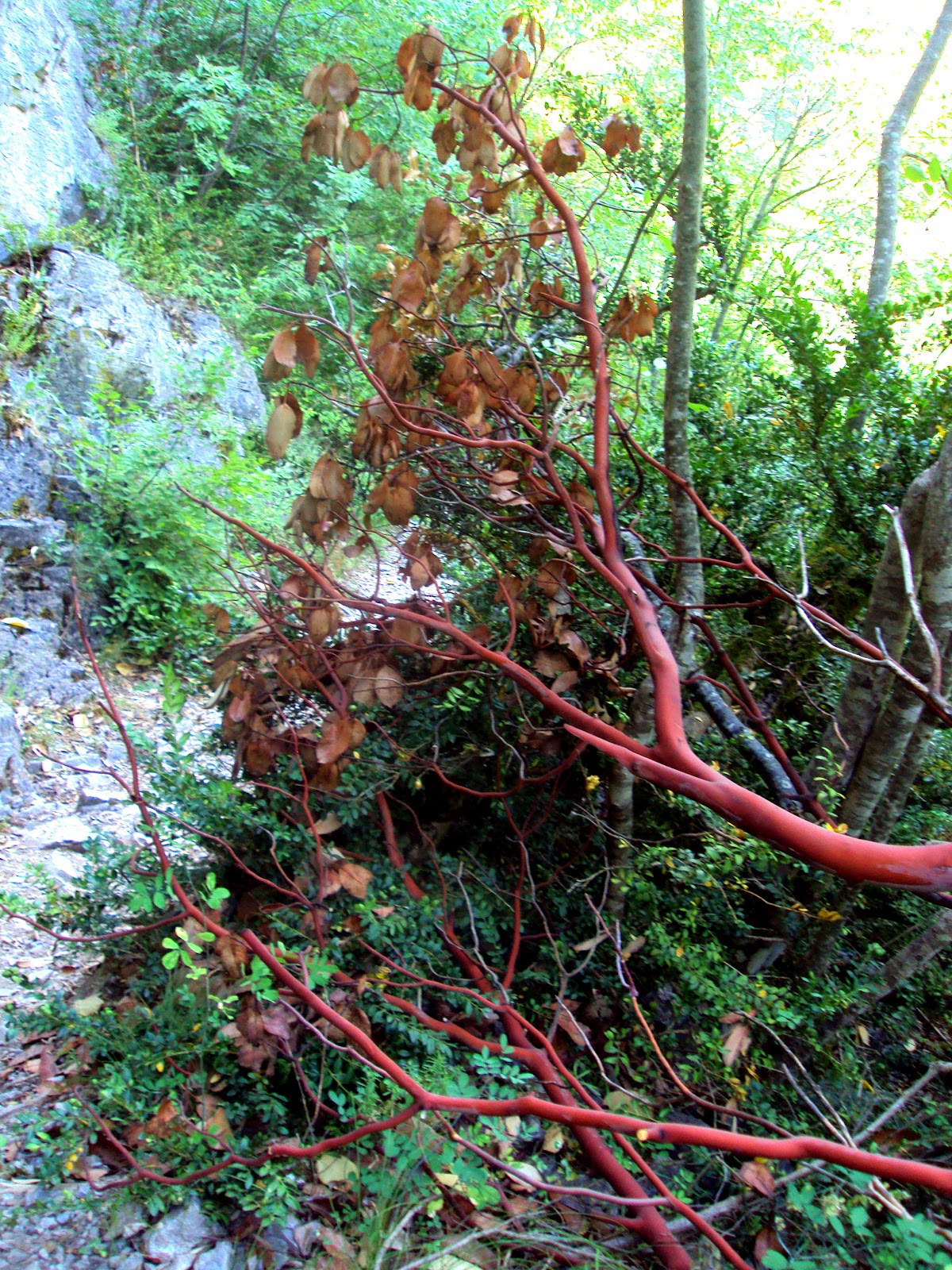 |
| I’d love to know what species of tree this is. We saw a number of fallen red ones exactly like this. At first we thought it was spray-painted, that was how red it was! |
 |
| History chronicled in the names of the hikers. |
 |
| Wildlife! There were SO many butterflies all over the place! |
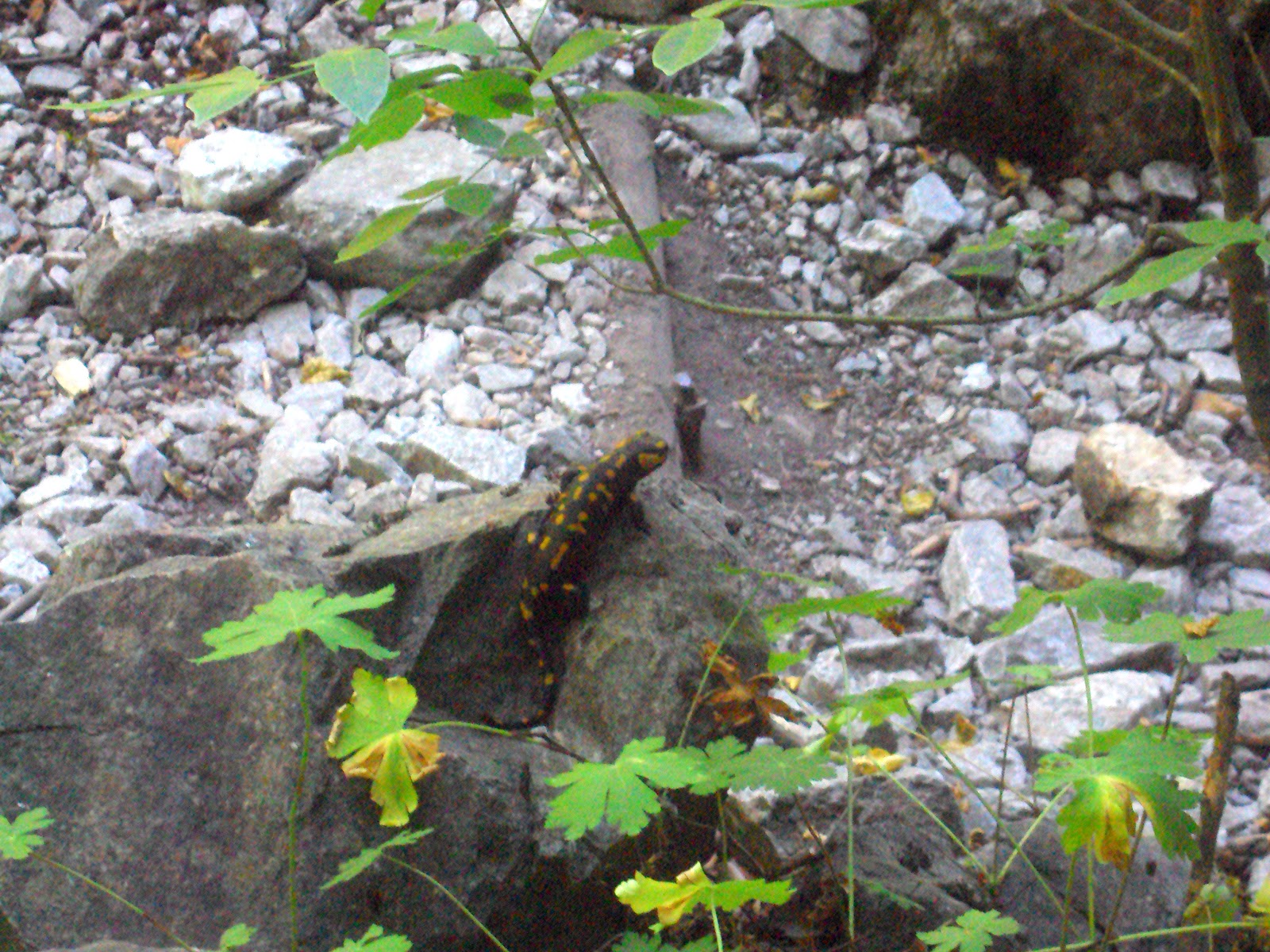 |
| More wildlife! This gecko surprised us with its a) presence and b) vibrant colors! |
 |
| A small structure where holy water runs, about a 30 minute walk from the monastery. |
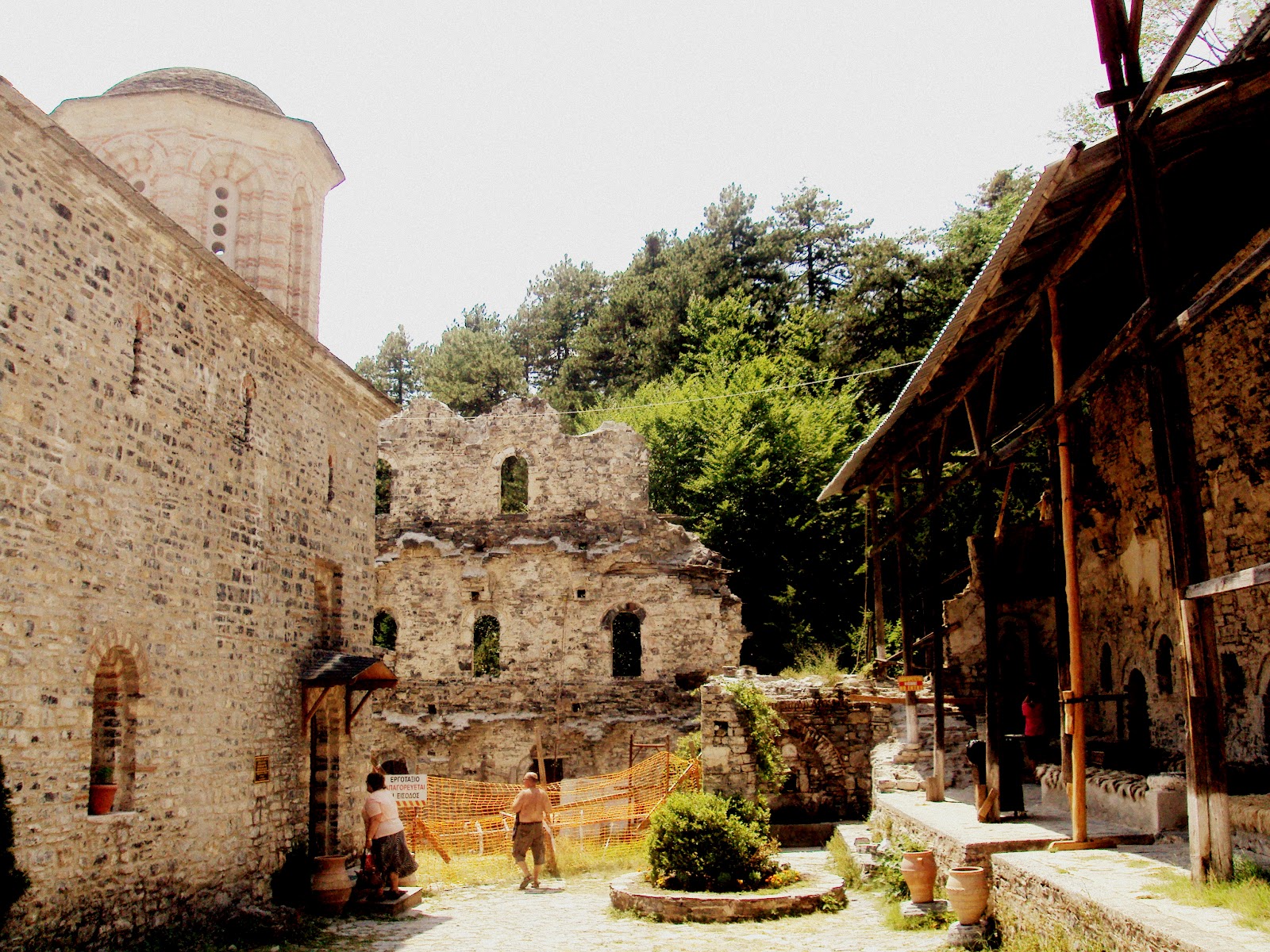 |
| The inner part of the monastery of Agios Dyonisios. To the right was where we were welcomed and fed. |
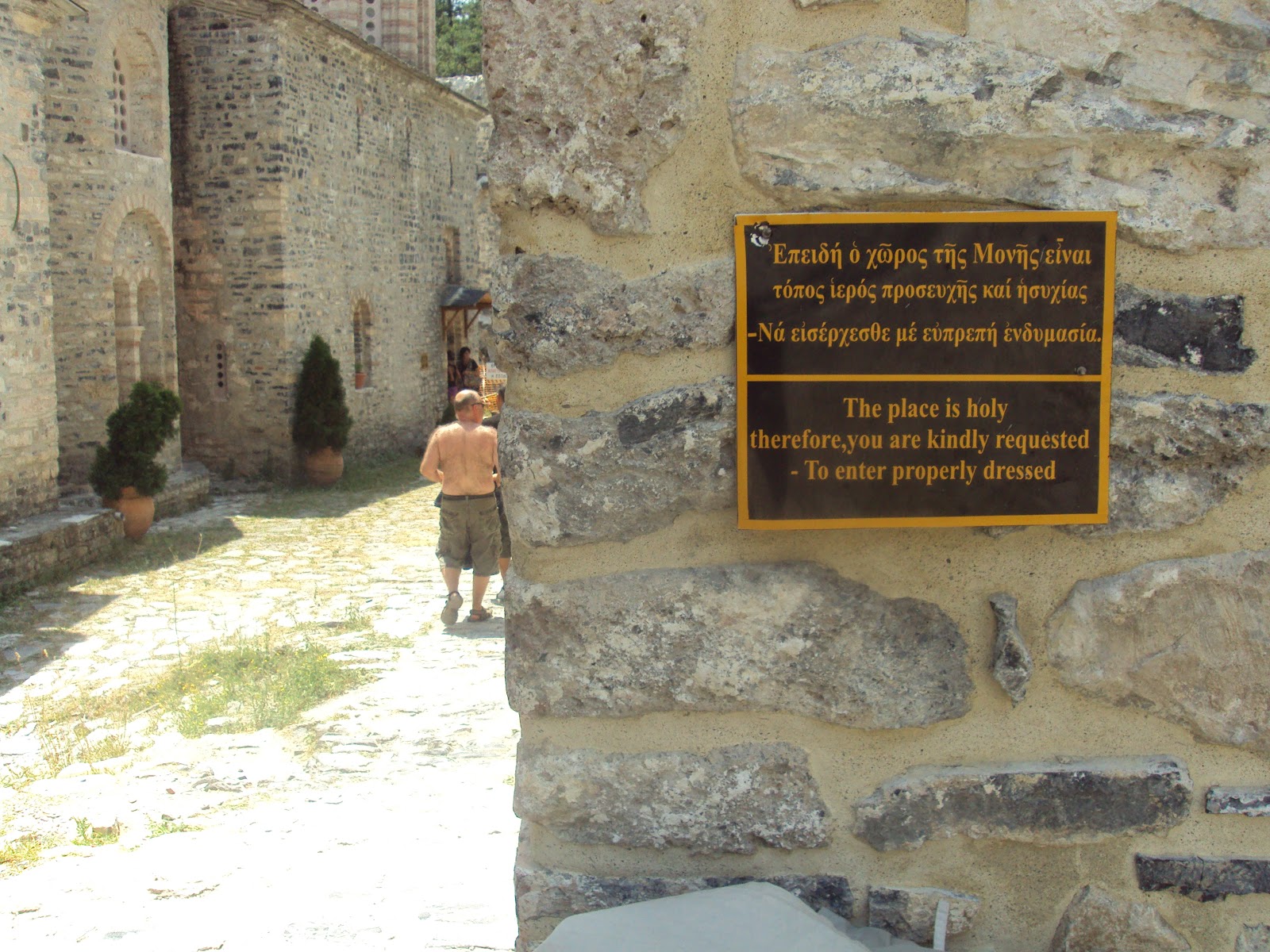 |
| Funny shot of the day: the sign requests for people to enter properly dressed, as the area is sacred. Notice the half-naked man on the left entering said sacred space. |
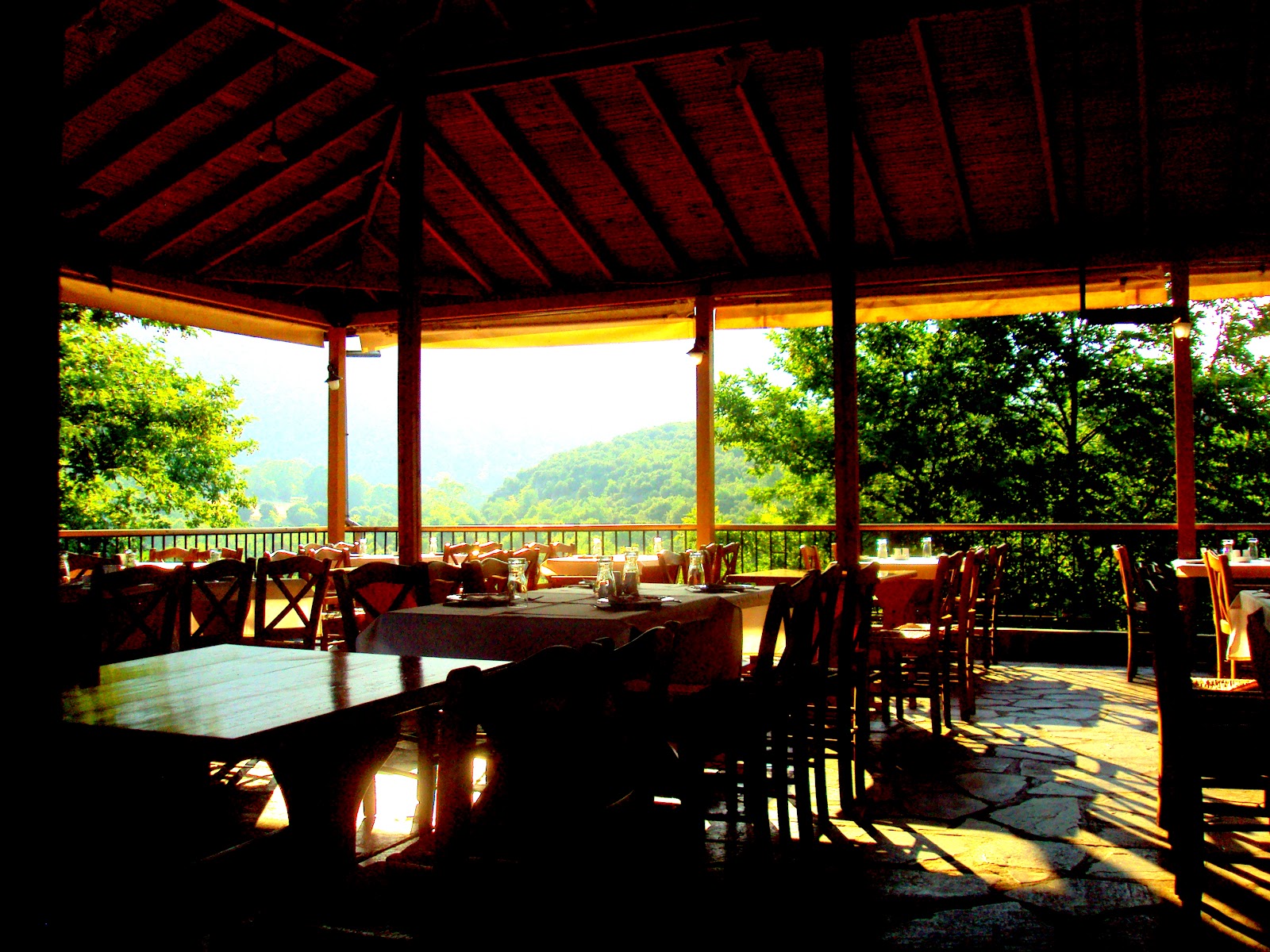 |
| We ate dinner at like 7 p.m. which is very early for Greeks, so we were two of five people eating. |
09 Monday Jul 2012
Posted in Photo of My Day
Tags


08 Sunday Jul 2012
Posted in Destinations
Sure, Greece has its issues, perhaps now more than ever. But politics and economy aside, there’s a reason why this country was the birthplace of much philosophy, or Western art, and of all the things that so many other civilizations appropriated or were influenced by. Part of that is its inherent beauty and the vitality of its people.
Thessaloniki, the capital of Greek’s region of Central Macedonia, is, at its heart, a diverse city. Historically speaking, Thessaloniki–aka Salonica–was home to large populations of Jews, Turks, Bulgarians, as well as native Greeks. Today, it’s considered the cultural capital of Greece.
Having never explored northern Greece, the six-and-a-half hour train ride up from Athens was a pleasant journey; the scenery changed from arid to green in less than an hour, and by the time we arrived in the early evening, the city was hot but tempered by the breeze at the port.
We only spent a couple days in Salonica, but they were great days. Here are my favorite five things we saw and did there:
1-3: Thessaloniki On the Go Bus Tour: A bus tour constitutes three out of five? Really? Yes, really. Our hotel (which, by the way, was a FANTASTIC family-run place, I highly recommend you check out Hotel Atlantis if you’re ever traveling in Salonica, very helpful staff and comfortable accommodations for excellent prices) gave us this tip to try out the Thessaloniki On the Go Bus Tour. It’s just a regular hop on/hop off sort of deal, but it only cost 2 euro. The comparable one that met right next to it had the cheapest price of 9 euro.
 |
| Me at the fortress overlooking the city. Not a bad view, eh? |
 |
| I like taking pictures of grapes. |
 |
| The cemetery at the monastery. |
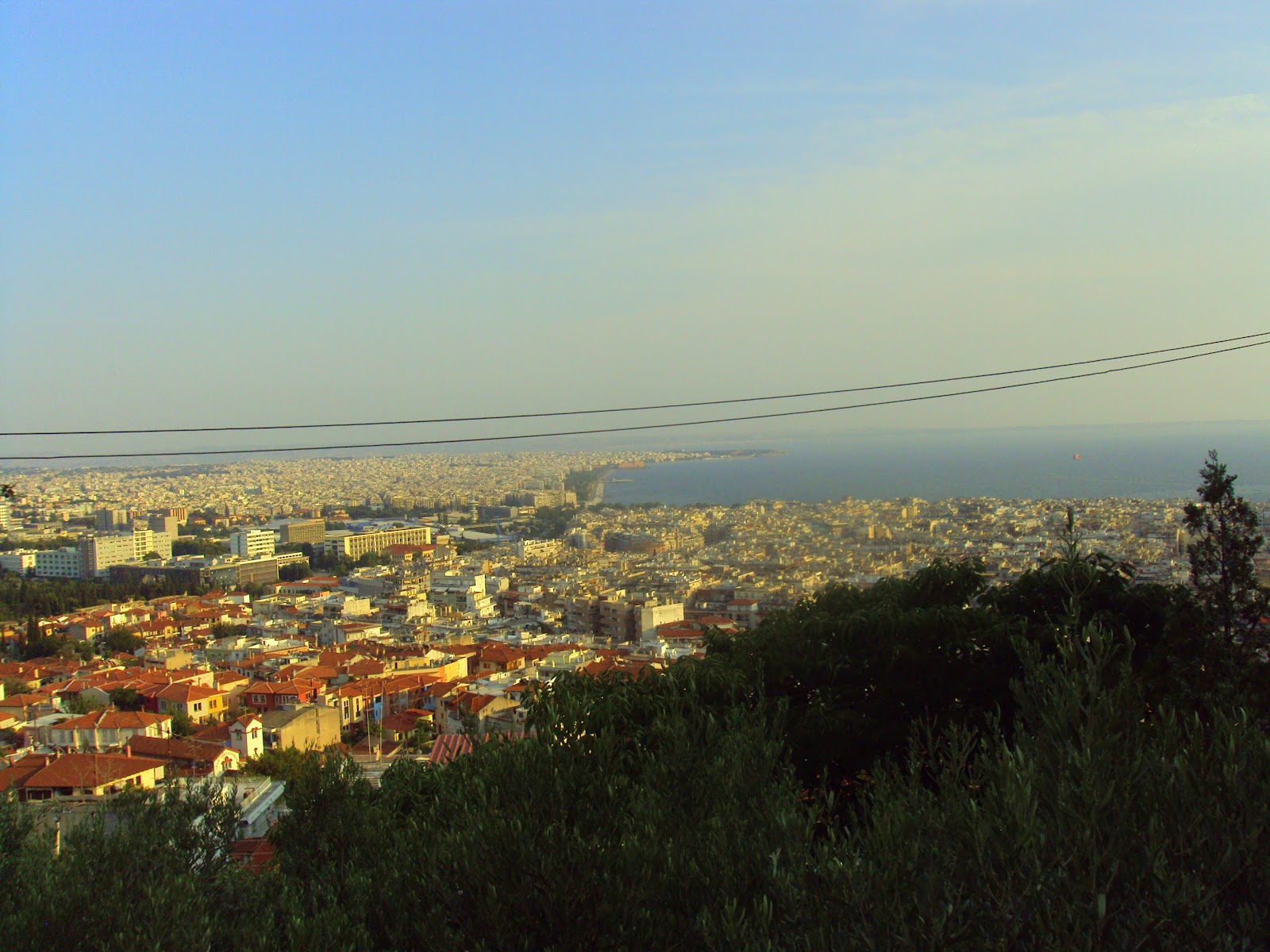 |
| View from the monastery overlooking Salonica |
 |
| A back street in Ano Poli |
4. Dining in Ladadika: The area by the city center is broken into a number of districts. Many trendy tavernas and clubs are located in Ladadika, and we found a brand-new restaurant, Basilikos, that we loved enough to eat at twice. Nightlife in Thessaloniki thrives, and Ladadika seems to be where everyone starts their night, with dinner or a few drinks, and then maybe heads out to the clubs.
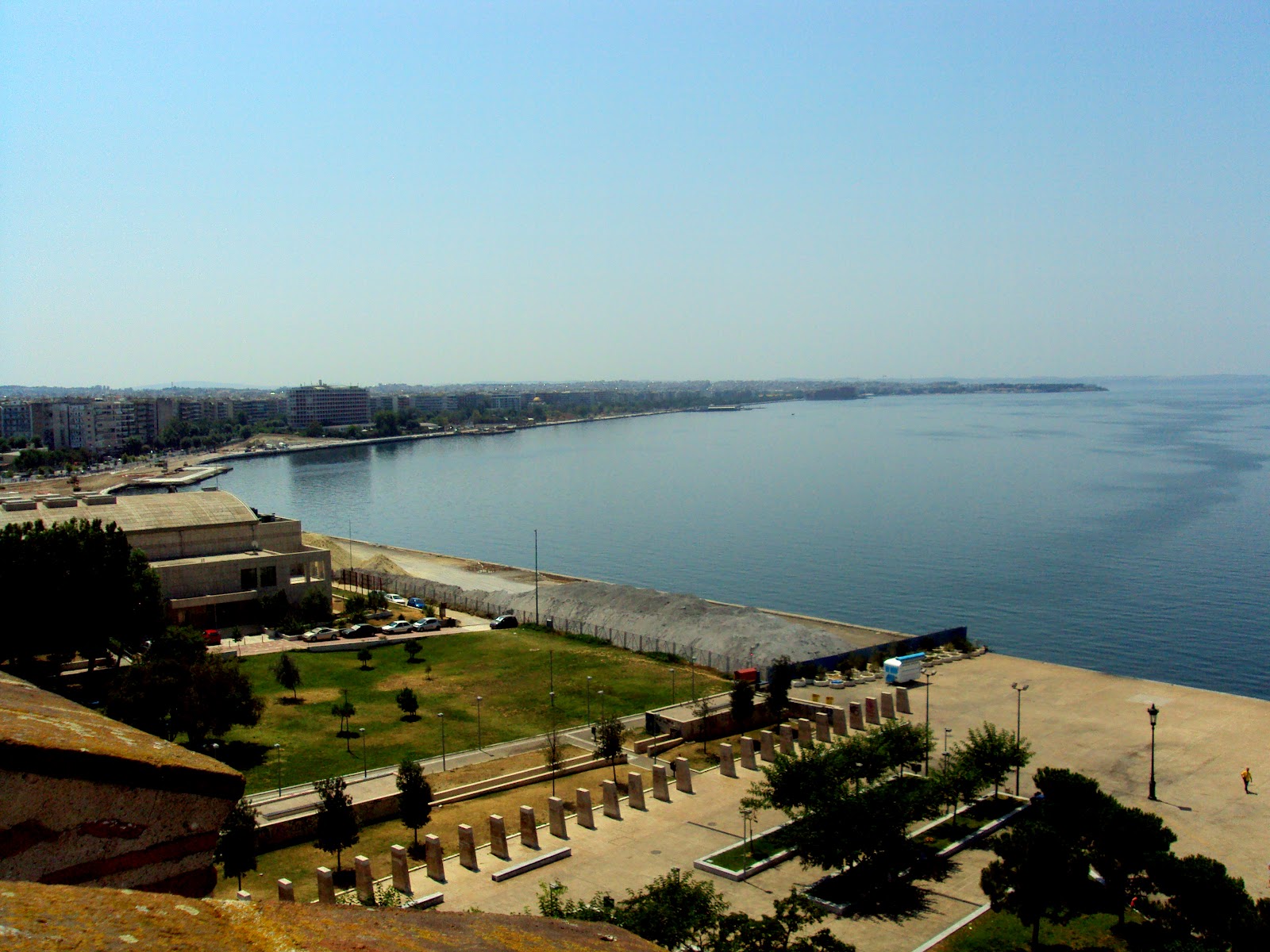
5. Down by the port: Waterfronts are generally a safe bet for things to see and do in a city, and Thessaloniki is no exception. Sunset by the water is not a sight to be missed, and there is plenty of seating available in public areas. If you want to dine or drink in style, there are also a few nice places right on the water, which affords a choice view of the city or of the Aegean Sea. For historical and cultural information on Thessaloniki, as well as a cool view, check out the White Tower. The audio guide is included in the price, and although it wasn’t necessarily my absolute favorite activity we did, it was the closest we got to a museum, so I learned a bit about the town by going.
 |
| From the White Tower |
 |
| Sunset at the port |
 |
| Street musicians in Aristotelous Square |
Ever been to Thessaloniki? What was your favorite part?
26 Tuesday Jun 2012
Posted in Destinations
 |
| Chocolat |
 |
| I love the starkness of the lone tree. This photo isn’t edited yet, this is the natural clear blue of the sky! |
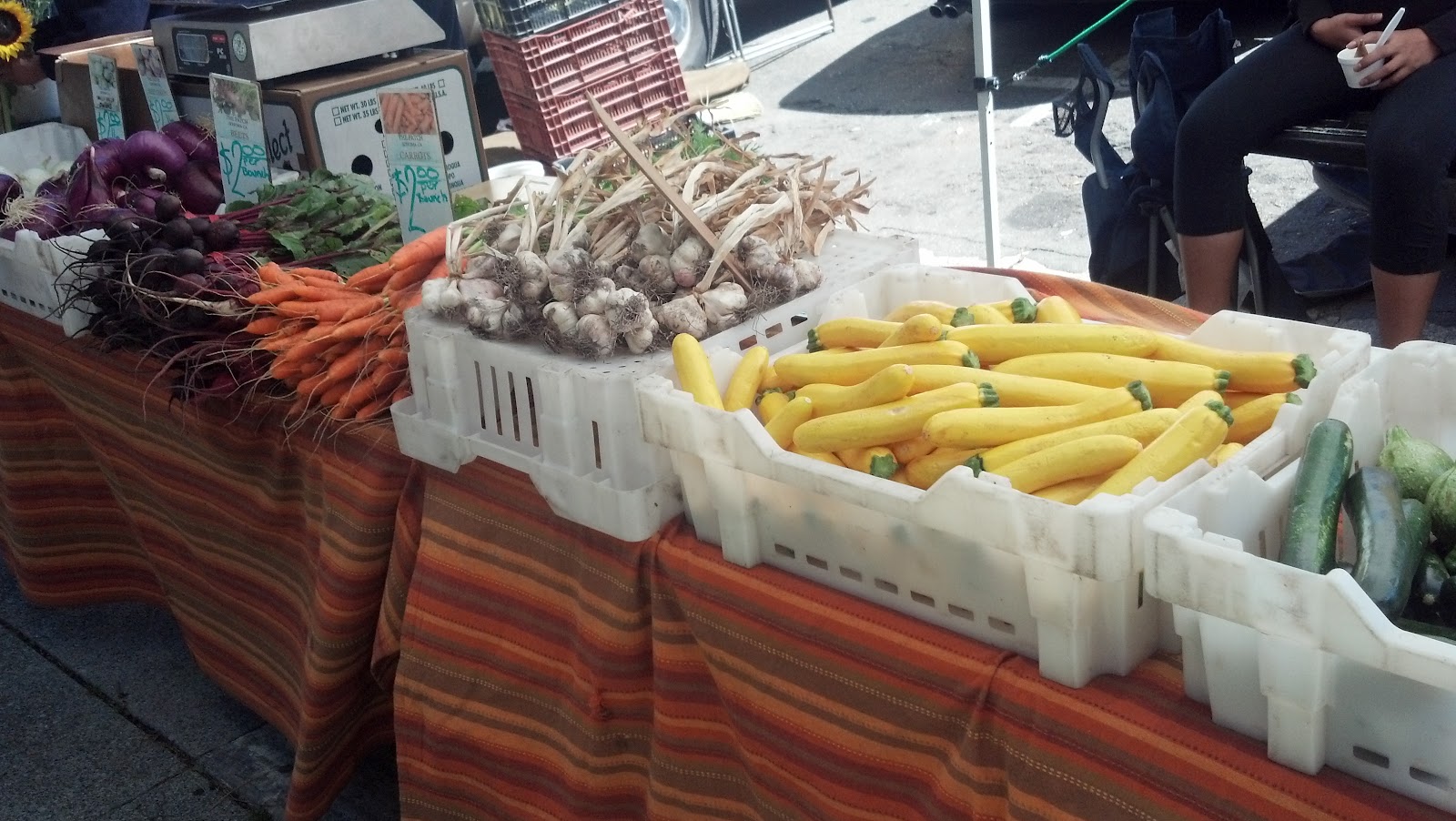 |
| Farmers’ market veg! |
By 5ish we got into Jenner, population 107 and elevation 19. At the mouth of the Russian River, Jenner is stunning, if not a wee bit isolated. Many of the homes around us seem to be vacation rentals, but I could see why. With no cellular service (seriously, even with 4G I was SOL) and the nearest grocery store 15 miles away, Jenner is the perfect haven for someone wanting to escape it all.
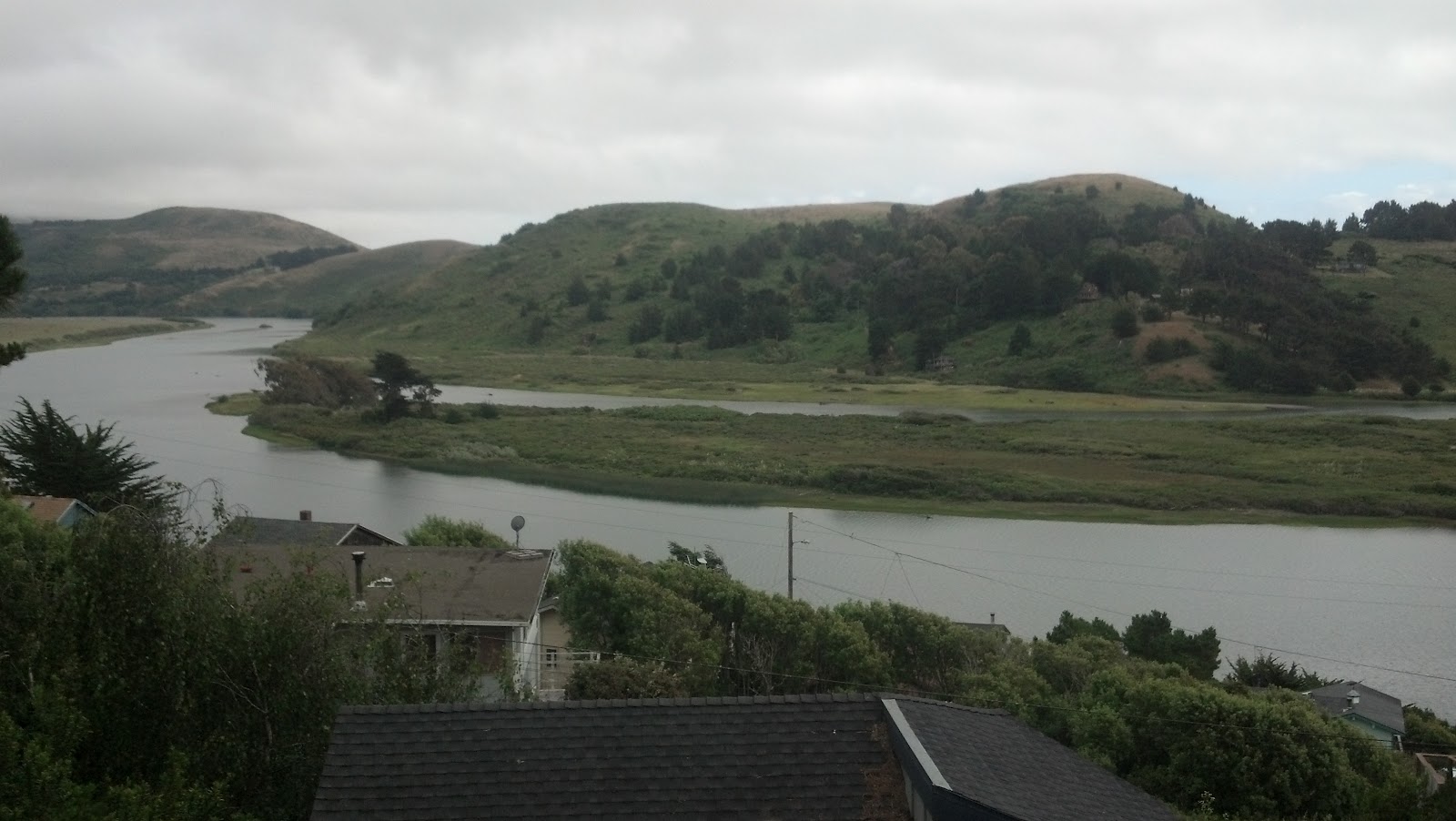 |
| View from the deck of the house. |
Other than the cell phone thing, our rental is virtually perfect. The deck overlooks the Russian River pouring out into the Pacific, and the closest beach, Goat’s Rock, is home to a seal pup refuge. Plus, this is what it looks like. Not a bad start to a week, I’d say.
 |
| Goat’s Rock Beach |












 Bumblings Of Miss Button